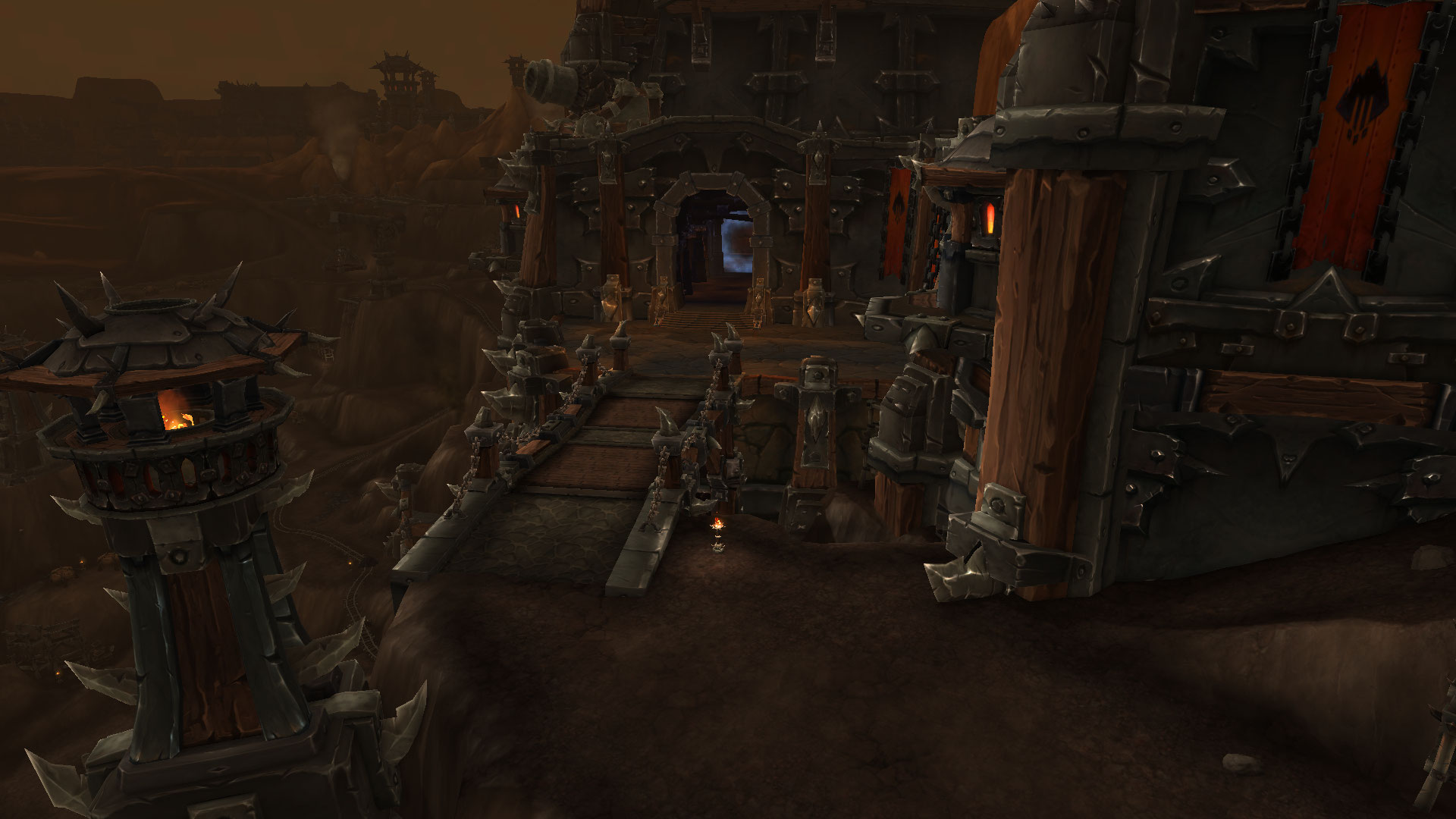
When Warlords of Draenor opened, players met an enemy that looked unstoppable: orc clans united under one banner, armed with Ogron-forged steel, steam-powered war machines and a seemingly endless supply of recruits. Yet by the end of the expansion that same army lay in ruins. The story of the Iron Horde is a story about speed, pride and the cost of building an empire on conquest alone. This article revisits what happened and why the collapse was almost inevitable.
How was the Iron Horde assembled in the first place?
The Iron Horde was a product of timeline interference: Garrosh Hellscream brought knowledge of the future to the Draenor of the past and used it to unite the clans.
After his defeat at the Siege of Orgrimmar, Garrosh escaped through the Caverns of Time with the help of Kairoz and landed on a younger Draenor, before the original Horde ever crossed the Dark Portal. There he convinced his father Grommash Hellscream to refuse the demon Kil’jaeden’s bargain. Instead of drinking the blood that once corrupted the orcs, the clans stayed pure and followed a new path: a Horde forged not by demonic magic, but by iron, coal and discipline.
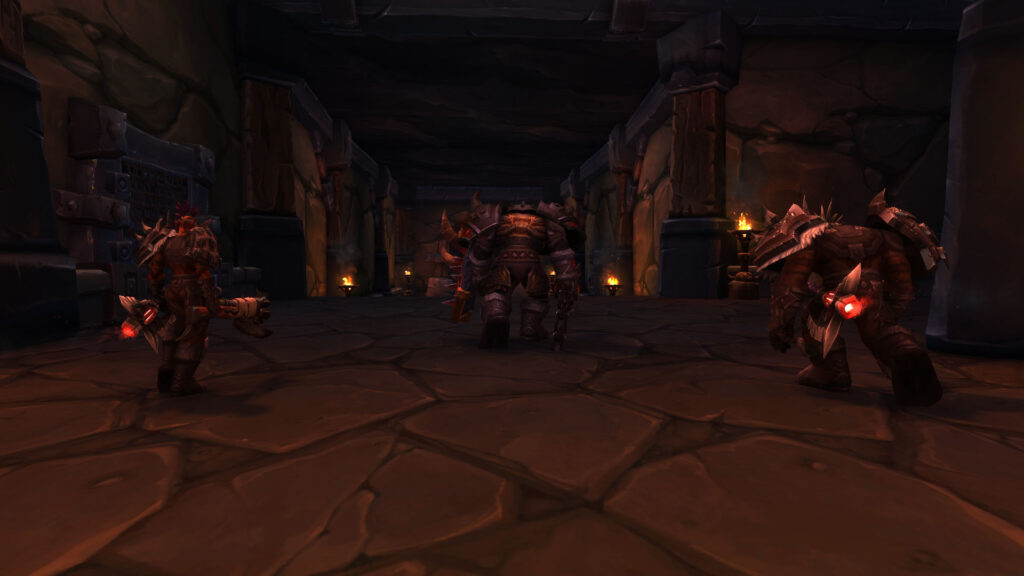
With Blackhand serving as warchief and Grommash leading the Warsong, the clans learned to mine, smelt and manufacture at scale. The result was a society that could field tanks, warships and siege weapons within a few short years.
What did the Iron Horde’s rise and fall look like at a glance?
The same traits that made the army powerful also made it brittle.
| Stage | Strength | Weakness |
|---|---|---|
| Early unification | Shared purpose among the clans | Rivalries held in check only by Blackhand’s authority |
| Industrial peak | Foundries, warships and rapid expansion | Dependence on constant conquest to feed production |
| Invasion of Azeroth | Overwhelming numbers through the Dark Portal | Supply lines stretched across two worlds |
| Collapse | Remaining elite warbands | Loss of leadership and trust |
Why did internal rivalries matter so much?
The clans were unified by a war machine, not by shared values, so every setback exposed old grudges.
Garrosh’s design leaned on force. Warlords like Kilrogg Deadeye, Kargath Bladefist, Ner’zhul’s former followers and the Blackrock leadership each had their own ambitions. As long as victories continued, loyalty held. When the campaign slowed, officers began to quietly question whether the Warchief’s promise of glory could still be kept.
The betrayals of Grommash himself finally broke the structure. Once the heroes of Azeroth supported him against his own son, the Horde’s greatest symbol of unity turned against its architect.
How did industry become a liability?
A war economy needs enemies, and the Iron Horde had no plan for peace.
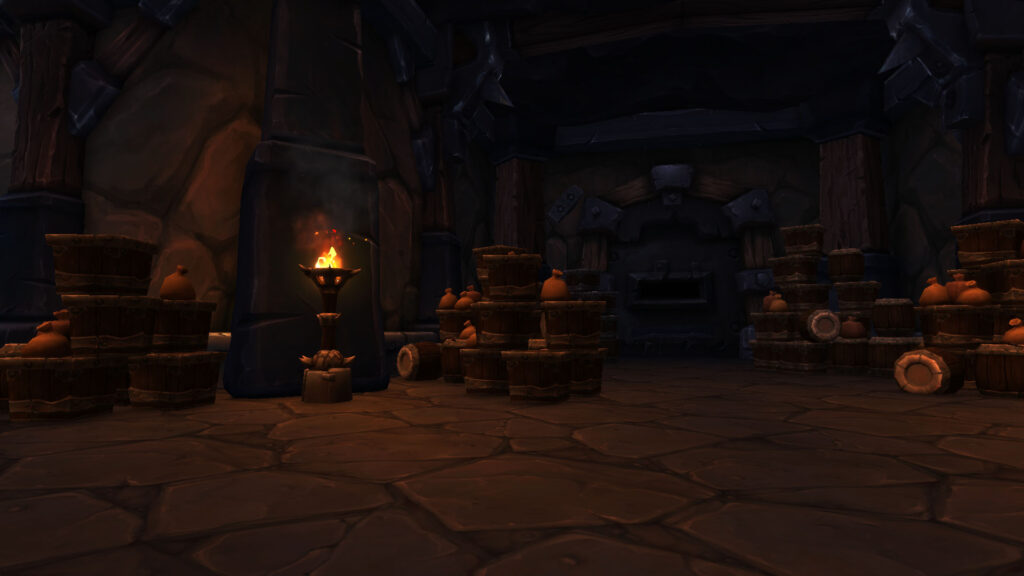
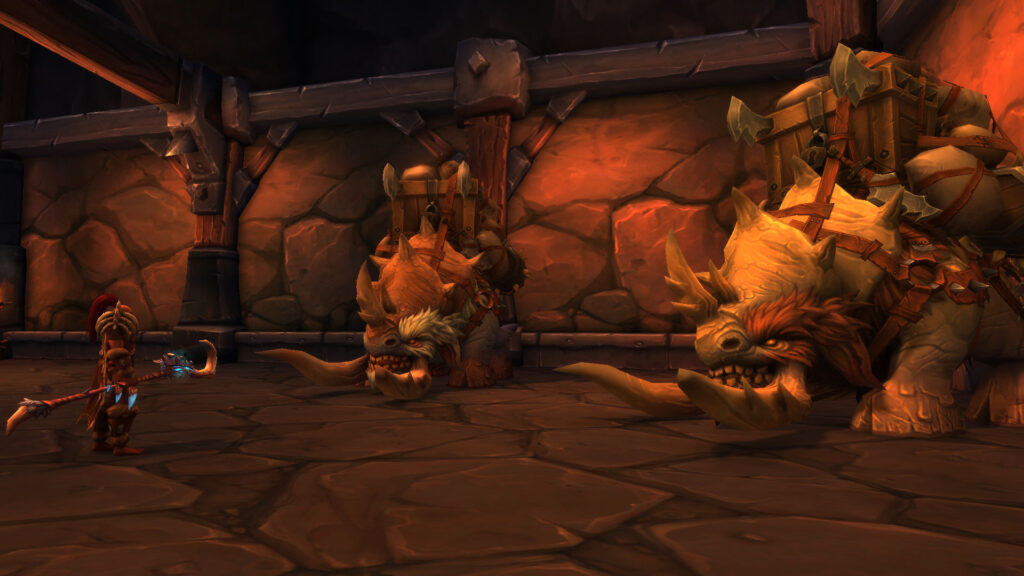
The foundries of Gorgrond, the docks of the Iron Fleet and the engineering yards of Grimrail Depot worked best while armies marched. Every ship launched and every cannon cast demanded new ore, new labor and new territory. When the heroes struck at the supply hubs, the whole network began to buckle.
- Resource nodes were captured, cutting off raw material.
- Forward bases lost reinforcements and fell back.
- Foundries were forced to prioritise military output over infrastructure.
- Morale dropped as victories turned into retreats.
What did the Burning Legion have to do with it?
The Legion, working through Gul’dan, found the cracks already waiting.
Gul’dan escaped his own captivity and recruited from the shattered clans, eventually opening the Dark Portal in a new timeline for the demons to pour through. The Iron Horde’s collapse left a power vacuum in which his forces could grow. In that sense the industrial empire did not only fall; it cleared the way for something worse.
Frequently Asked Questions
Was the Iron Horde really a different timeline from the Horde we know?
Yes. Garrosh’s interference created an alternate Draenor, which is why its events do not directly rewrite the main timeline of Azeroth.
Who led the Iron Horde?
Blackhand served as warchief for much of the story, with Grommash Hellscream leading the Warsong clan and Garrosh pulling strings from the shadows.
Did the heroes destroy the Iron Horde alone?
No. Draenor’s native races, the Draenei and the Arakkoa, as well as Grommash’s late betrayal, all contributed to the final defeat.