
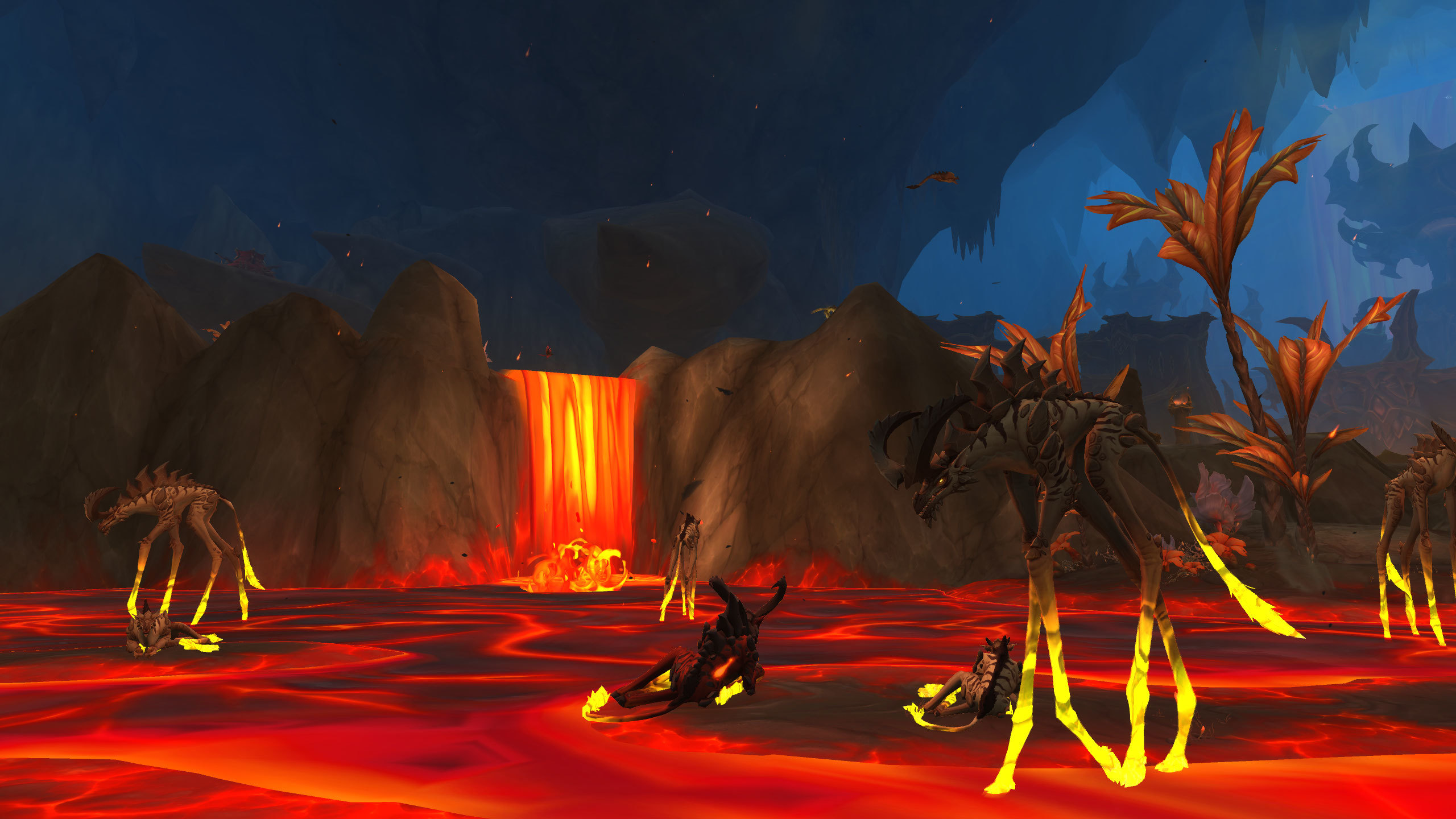
The *Dragonflight* expansion introduced players to a new and dynamic way of exploring Azeroth’s vast world. One of the most innovative features of this expansion is the use of verticality in its zones, which fundamentally changes how players move, engage in combat, and explore the environment.
From soaring over cliffs on dragonback to navigating towering peaks and deep caverns, verticality has become a key gameplay element. This article explores how the zones in *Dragonflight* leverage vertical space to transform the experience of movement, combat, and exploration in World of Warcraft.
The Role of Verticality in Exploration
In *Dragonflight*, exploration is no longer confined to just traversing flat terrain. The design of the expansion’s zones encourages players to think three-dimensionally. With towering cliffs, vast mountain ranges, and intricate cave systems, *Dragonflight* pushes players to not only traverse horizontally but to scale walls, dive into deep chasms, and soar through the sky. This shift in design requires players to pay closer attention to their surroundings and adapt their movement strategies.
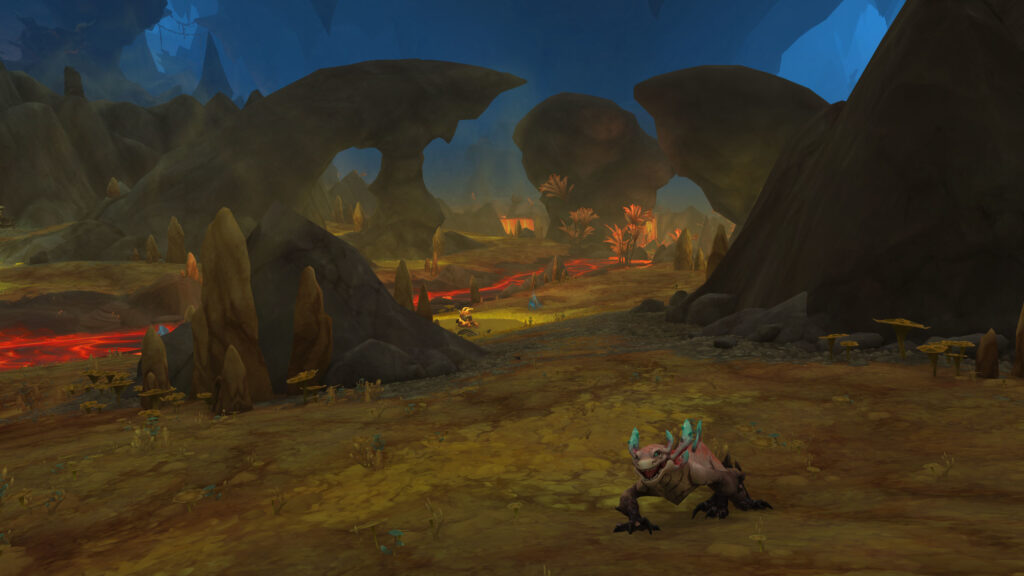
For example, zones like the *Waking Shores* and *The Azure Span* are designed with verticality in mind, with areas that require players to fly or glide to reach certain quests or hidden locations. The addition of flying dragons as a core mechanic has given players more control over their movement, allowing them to access areas that were once out of reach. This new sense of freedom makes exploration feel more expansive and dynamic.
- Heightened Awareness: Players are now required to look up and down as well as left and right, making exploration more engaging.
- Vertical Movement Tools: Dragonriding introduces new movement mechanics, allowing players to glide and soar through the air.
- Dynamic Terrain: The vertical design of zones leads to more diverse and interesting environments to explore.
Combat and Verticality: New Challenges and Opportunities
Verticality doesn’t just affect how players move — it also influences combat. In *Dragonflight*, players must consider their position relative to both enemies and the environment. High-ground advantages, aerial combat, and vertical arenas introduce new strategies for tackling enemies. This change forces players to think beyond traditional flat terrain and incorporate height into their combat tactics.
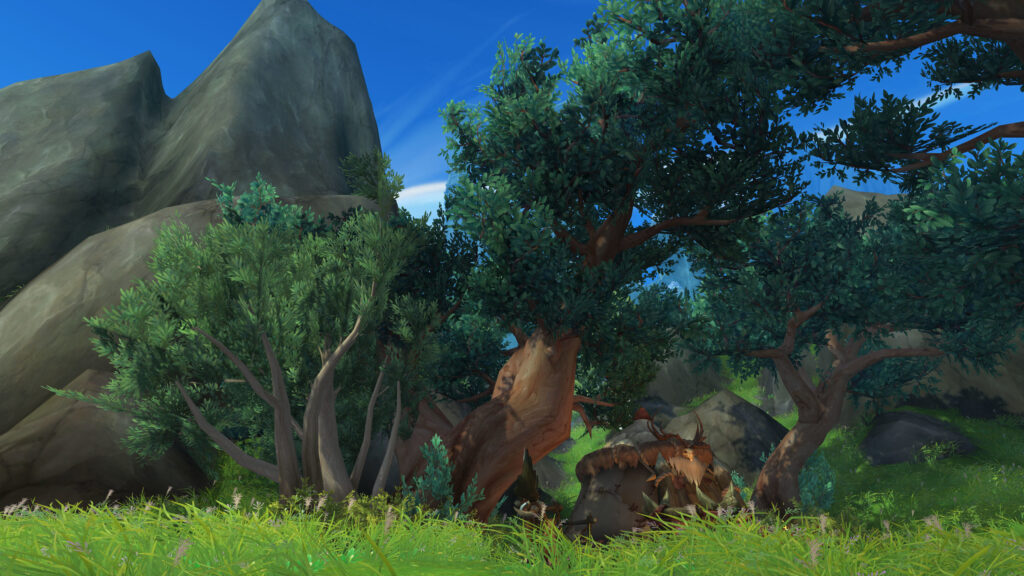
For instance, certain mobs in *Dragonflight* are positioned on higher ledges or are able to attack from the sky, requiring players to adapt by using new abilities or positioning strategies. Players who can quickly adapt to vertical combat situations gain the upper hand, creating a more dynamic and engaging combat system. The addition of dragonriding adds another layer of depth, allowing players to dive, fly, or hover above their enemies to attack from above.
- Aerial Combat: Flying and gliding mechanics introduce vertical combat, requiring players to rethink their positioning.
- Height Advantage: Combat strategies now include using high ground for tactical advantage in battles.
- Dynamic Fights: Flying enemies and environmental hazards add complexity to combat encounters.
Verticality and Quest Design
The design of quests in *Dragonflight* also reflects the expansion’s emphasis on verticality. Many quests now involve climbing, flying, or descending to different levels, introducing new ways to engage with the environment. Whether it’s rescuing allies trapped in high places or navigating a series of floating platforms, players are challenged to think beyond traditional questing methods.
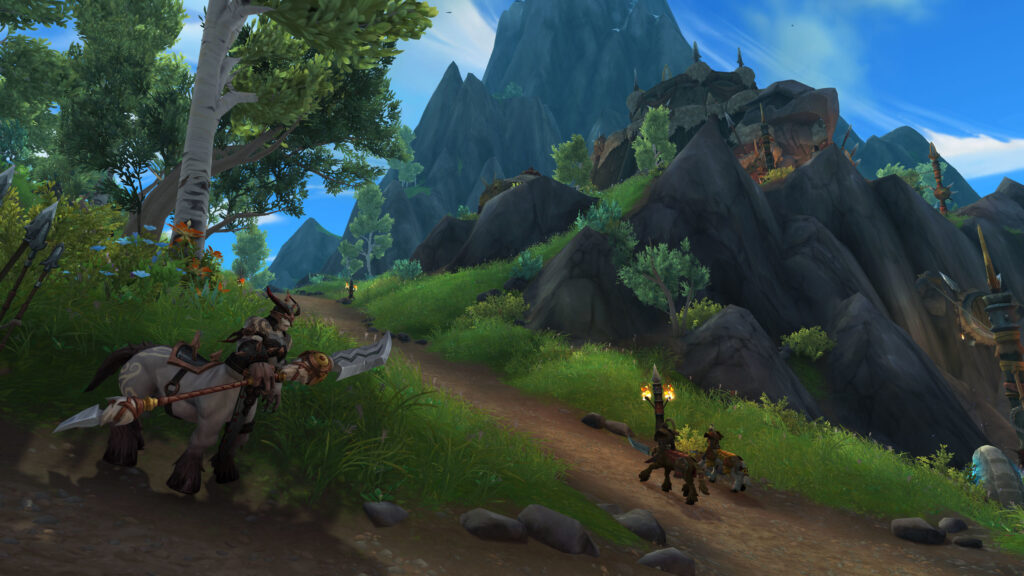
This focus on verticality has also led to more creative quest objectives, such as flying through rings, battling aerial bosses, or exploring caverns that are vertically complex. Players must now utilize their full range of movement abilities to complete quests efficiently, leading to a more immersive and varied questing experience. This shift encourages players to master the use of their dragonriding abilities and adapt to a more fluid style of quest progression.
- Vertical Objectives: Quests that require players to reach high or low locations change the way players approach objectives.
- Environmental Interaction: Players must engage with the vertical environment to complete objectives, enhancing immersion.
- Creative Quest Design: Verticality allows for more varied and creative quest mechanics, such as flying challenges or platforming segments.
Conclusion
Verticality in *Dragonflight* has transformed movement, combat, and exploration in World of Warcraft. The addition of dragonriding and the design of expansive, vertical zones has opened up new possibilities for gameplay, encouraging players to rethink how they engage with the world.
Whether soaring through the skies, scaling mountains, or fighting from above, verticality has introduced a new layer of depth to Azeroth’s geography and gameplay mechanics. As *Dragonflight* continues to unfold, the impact of verticality will undoubtedly continue to shape the way players experience the world of Warcraft.