When World of Warcraft (WoW) launched in 2004, it didn’t just join the MMORPG genre; it redefined it. You’d find its influence in the way it crafted immersive game worlds, prioritized player interaction, and continually introduced fresh features keeping the gameplay experience new. It wasn’t just about quests and PvP; WoW made player progression and achievements feel significant and introduced dynamic storylines that evolved with the player. It pioneered strategic combat that necessitated teamwork and built innovative social dynamics fostering connections. Its legacy isn’t confined to just influencing game mechanics; it shaped game design principles, emphasizing immersive storytelling and community-building. Exploring further will expose WoW’s profound impact on gaming culture and industry standards.
Key Takeaways
- WoW revolutionized MMORPGs with its immersive world and deep player interaction, setting a new industry standard.
- It introduced dynamic quests and evolving storylines, enriching the genre’s narrative depth.
- WoW’s strategic combat and teamwork mechanics fostered a new level of player cooperation and social dynamics.
- The game’s influence extended to game design, emphasizing player interaction, immersion, and progression systems across genres.
- WoW’s community impact, fostering lasting friendships and cultural milestones, reshaped the social experience of gaming.
The Birth of WoW
In 2004, the gaming landscape was forever changed with the launch of World of Warcraft (WoW), a titan in the MMORPG genre. You saw the rise of a game that not only captivated millions but also set a new standard for what an immersive game world should look like. WoW introduced game mechanics that facilitated deep player interaction, creating a living, breathing world where every player’s actions felt meaningful.
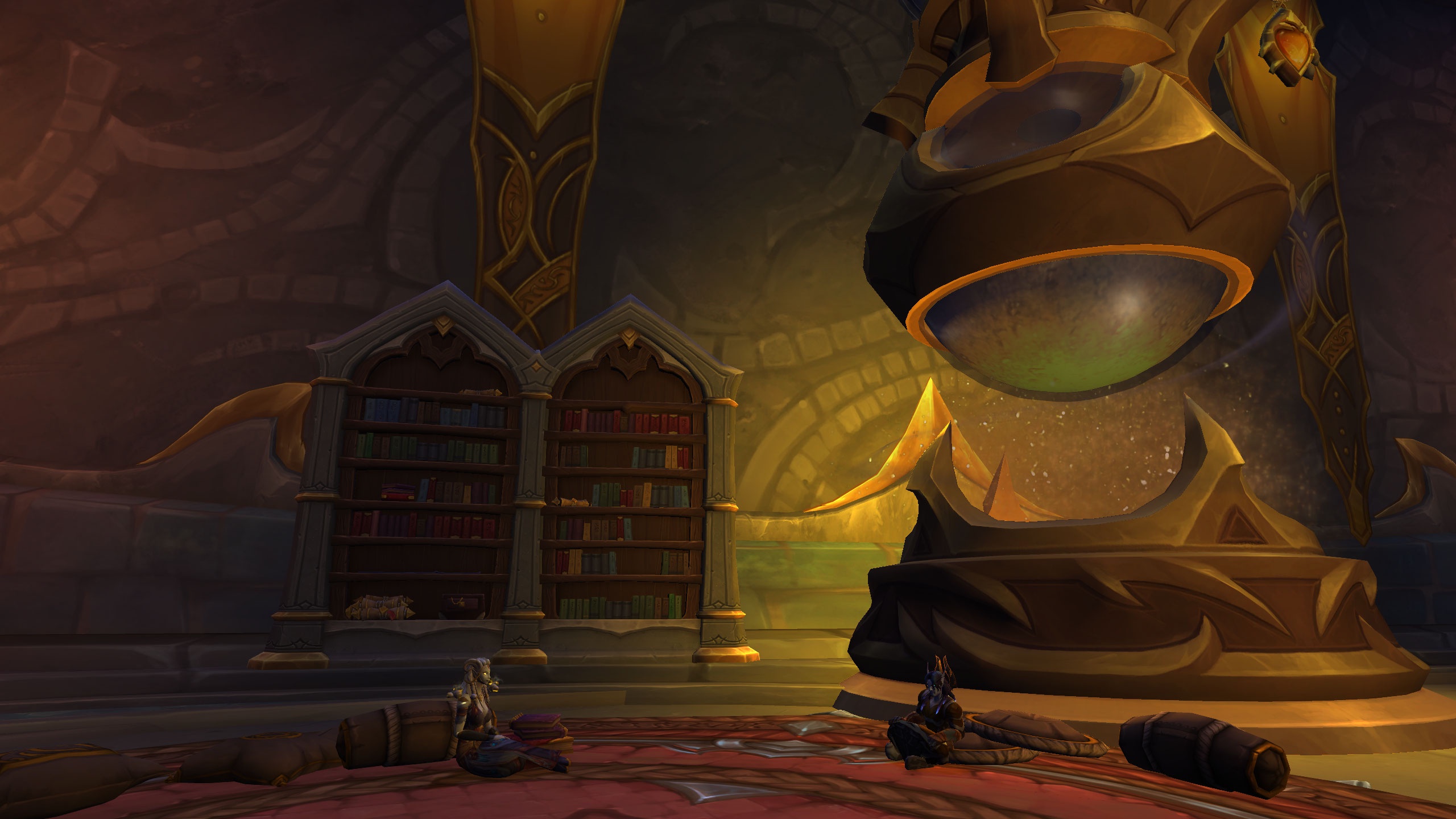
The introduction of new features was continuous, keeping the gameplay experience fresh and engaging. You weren’t just playing a game; you were part of an ever-evolving story. With each update, WoW expanded its horizons, adding layers to the game world that you could explore for months without uncovering all its secrets.
Player progression was another area where WoW shined. It wasn’t just about leveling up; it was about your journey through the game, the people you met, and the challenges you overcame together. This sense of progression made every achievement feel significant, further enhancing your connection to the game. WoW’s formula for success was simple yet revolutionary, emphasizing the importance of a well-crafted game world, player interaction, and a progression system that made every minute spent in-game feel worthwhile.
Revolutionizing MMO Mechanics
World of Warcraft didn’t just play within the boundaries of existing MMO mechanics; it rewrote them, offering you a gaming experience that was as innovative as it was immersive. By diving into WoW, you became part of an evolving gameplay landscape that continually pushed the envelope on what it means to engage in a virtual world.
Here’s how WoW revolutionized MMO mechanics:
- Dynamic Quests: Gone were the days of static, repetitive tasks. WoW introduced quests that felt meaningful, with evolving storylines that made you feel like a key player in the game’s world.
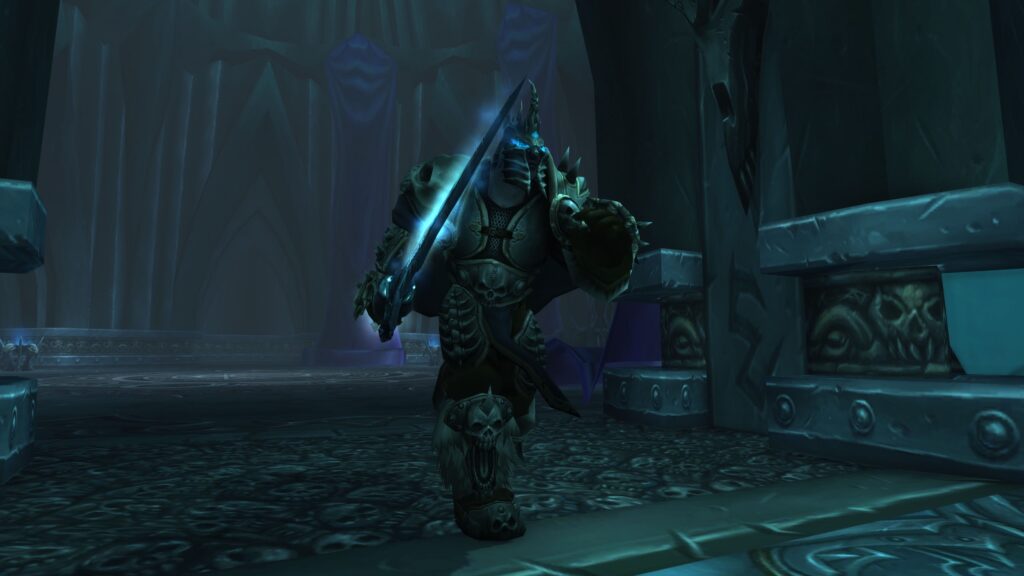
- Immersive World Building: The game’s designers crafted an expansive, detailed universe. Every zone, from the frostbitten peaks of Northrend to the lush jungles of Stranglethorn Vale, was filled with lore, making exploration a reward in itself.
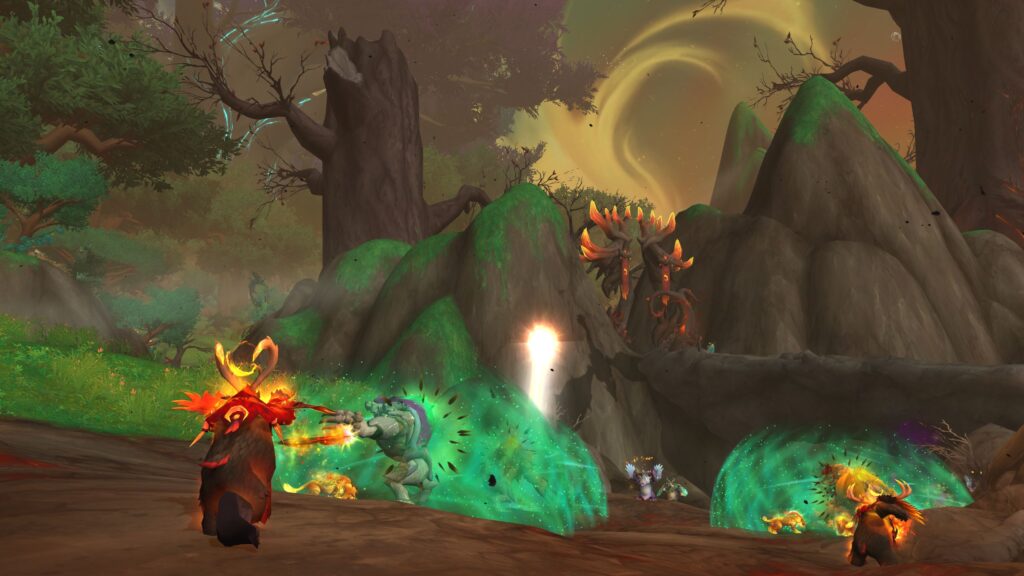
- Strategic Combat: WoW refined strategic combat, requiring you to think about your moves and collaborate with others in real-time, fostering a deep sense of player interaction and teamwork.
- Social Dynamics: The game built innovative features supporting social dynamics, from guilds to in-game voice chat, making it easier and more compelling for you to connect with others.
Through these elements, WoW didn’t just change the game; it set a new standard for what an MMO could be.
Influencing Game Design
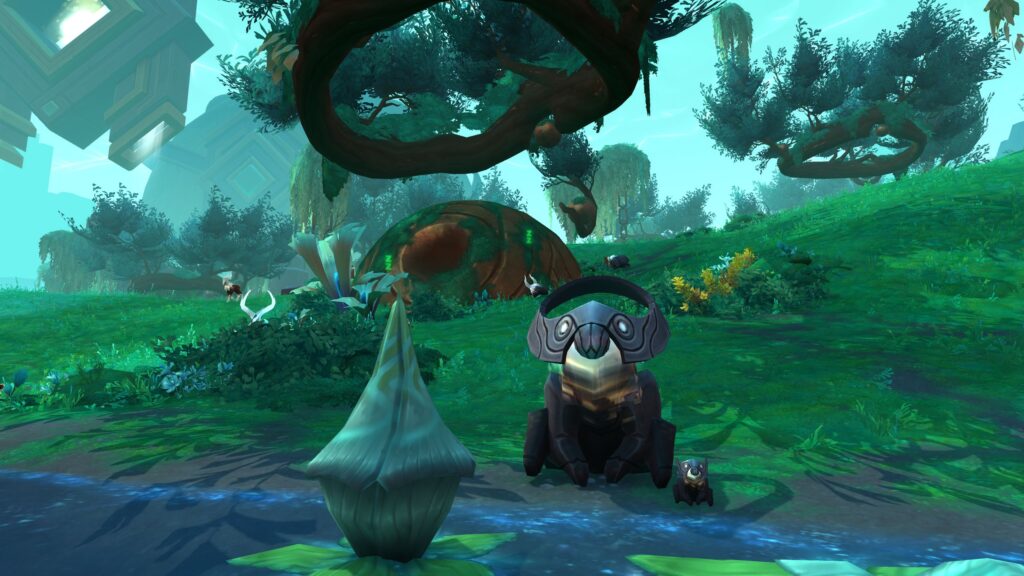
By establishing a new benchmark in MMO gameplay, WoW’s innovations have profoundly shaped the design principles of countless video games beyond its genre. You’ve seen how player interaction and game immersion became core aspects, encouraging developers to create worlds where players could lose themselves for hours. Quest mechanics and player progression systems were perfected, offering you a more rewarding and engaging experience that keeps you coming back for more.
PvP dynamics and raid strategies evolved, challenging you to think critically and work cohesively with others to achieve common goals. Character customization and world exploration were expanded, letting you tailor your in-game persona and journey through vast, immersive landscapes. Guild dynamics and the in-game economy became pivotal, influencing how you interact with the community and the virtual market.
Class balance and game mechanics were fine-tuned, ensuring a fair and competitive environment for all players. Ultimately, the focus on endgame content and player engagement ensured that you always have something to work towards, pushing the boundaries of your skills and dedication. WoW’s legacy in influencing game design is unmistakable, setting the stage for a new era of interactive and immersive gaming experiences.
Community and Culture Impact
WoW’s influence extends beyond game mechanics, profoundly shaping the community and culture around gaming itself. You’ve likely noticed how it’s not just about quests and raids; it’s about the people you meet along the way. The game’s massive success has fostered a unique culture, with its own social dynamics, player interactions, and even its own language of sorts.
Here are the key impacts WoW has had on community and culture:
- Social Dynamics: It’s revolutionized the way players interact, promoting cooperation and creating a sense of belonging within guilds.
- Virtual Friendships: Many players have formed lasting friendships that transcend the virtual world, proving the game’s power to connect people.
- In-Game Events: WoW’s seasonal events and player-driven gatherings have become cultural milestones, celebrated both in and out of the game.
- Fan Conventions: BlizzCon, among others, has become a pilgrimage site for fans, showcasing the game’s cultural significance and its ability to unite players from around the globe.
WoW’s legacy in community and culture is profound, influencing not just how games are played, but how people come together, fostering guild loyalty and creating spaces where virtual friendships flourish.
Legacy and Ongoing Influence
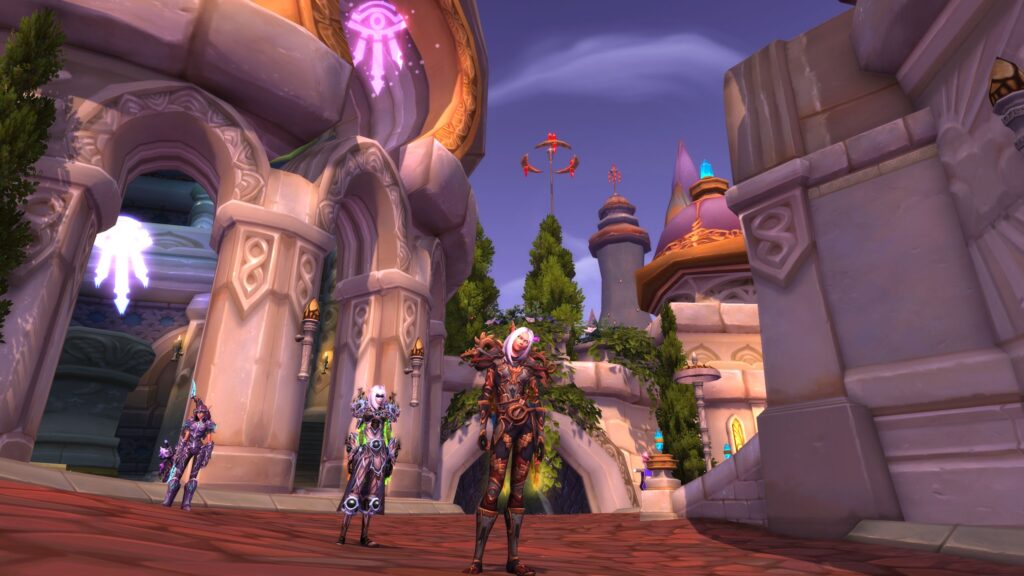
Reflecting on its legacy, you can’t ignore the ongoing influence World of Warcraft has on the gaming industry and its community. This titan of a game didn’t just set industry standards; it revolutionized them, pushing the envelope for innovation and evolution within the genre. Its long-term effects are visible in the way modern MMOs are developed, focusing on player engagement and community building.
World of Warcraft’s market dominance was not just a phase; it’s a phenomenon that has led to significant development trends, influencing how games are designed, marketed, and maintained. The game’s emphasis on rich storytelling and immersive worlds has become a blueprint for success, inspiring countless developers and providing artistic inspiration across the gaming sphere.
Moreover, WoW’s ability to adapt and evolve with its audience demonstrates a commitment to innovation that keeps it relevant. This adaptability has set new standards for player engagement, showing that listening to and growing with your community can have profound long-term effects.
In essence, World of Warcraft’s legacy is not just in the domains it created but in the ripple effects it continues to have on development trends, artistic inspiration, and the emphasis on community engagement within the industry.
Frequently Asked Questions
How Did World of Warcraft’s Subscription Model Affect the Pricing Strategies of Subsequent MMOS and Online Games?
You’ve seen how WoW’s subscription model nudged the payment evolution, leading to a free-to-play shift, microtransaction integration, and premium services. It’s all about loyalty rewards, community building, and exploring cross-platform potential in today’s games.
What Specific Challenges Did Blizzard Face in Maintaining Server Stability and Scalability, Especially During Wow’s Peak Popularity?
You’ve observed Blizzard address server stability and scalability by investing in hardware upgrades, network optimization, and load balancing. They handled user concurrency, guaranteed data redundancy, and utilized real-time monitoring alongside patch deployment logistics to keep WoW running smoothly.
In What Ways Did World of Warcraft Inspire Changes in the Marketing and Promotion Strategies for MMOS and Other Video Games?
You’ve opened Pandora’s box with influencer partnerships, social media campaigns, and viral trailers. Free trial periods, cross-promotional events, and limited edition merchandise became norms, all while boosting community engagement in the gaming world.
How Has World of Warcraft’s Approach to Storytelling Influenced the Narrative Techniques Used in Other Game Genres?
You’ve seen how WoW’s storytelling, with its epic quests, deep lore, engaging character arcs, cinematic storytelling, immersive voice acting, and cross-media narratives, has influenced interactive storytelling across game genres, setting a new standard for narrative techniques.
What Are the Environmental Impacts of Running a Game With the Scale and Longevity of World of Warcraft, Considering Its Data Centers and Player Hardware Requirements?
Operating a game like World of Warcraft amplifies carbon footprint due to high energy consumption, particularly for cooling systems. It’s essential to contemplate server efficiency, utilization of renewable energy, and minimizing e-waste to diminish digital pollution.
Conclusion
In the domain of gaming, World of Warcraft stands as both a pioneer and a relic; it redefined what it means to venture into virtual worlds together, yet remains tethered to the nostalgia of its genesis era. As you’ve traversed Azeroth, you’ve not just been playing a game—you’ve been part of a legacy that’s sculpted the landscape of MMORPGs. WoW’s innovative mechanics, engrossing storylines, and vibrant communities have become the standard, teaching us that even in a digital universe, we’re never truly alone.