
In World of Warcraft, some developer decisions really shook the community. Cataclysm dramatically changed Azeroth’s map, leaving fans in awe and dismay. Then, limiting flying in Draenor sparked debates about how you should interact with the virtual world. The Real Money Auction House in Diablo III, while not WoW, mirrors the controversy with its pay-to-win model, affecting player fairness and was eventually removed. Sylvanas Windrunner’s storyline divided fans on heroism and villainy, creating a rift in the community.
Finally, the Azerite System in Battle for Azeroth, intended to power characters, was criticized for its grinding and lack of depth. Each decision stirred discussions on game design, engagement, and player satisfaction. Unpacking these decisions further will reveal their impacts and the lessons learned.
Key Takeaways
- The Cataclysm expansion drastically altered Azeroth, causing mixed reactions over the changed landscapes and zones.
- Restricting flying in Draenor sparked controversy among players, affecting exploration and gameplay experience.
- The introduction of the Real Money Auction House in Diablo III raised concerns about pay-to-win dynamics and game balance.
- Sylvanas Windrunner’s story arc polarized the community, with debates over her abrupt character development and redemption.
- The Azerite System was criticized for its lack of depth and the grindy nature of acquiring traits, impacting player satisfaction.
The Cataclysm Expansion
The Cataclysm expansion radically reshaped Azeroth’s landscape, a move that’s left players divided on its impact. You’ve likely heard how the WoW developers at Blizzard Entertainment took a bold step with this expansion. Under the guidance of the game director and the development team, they decided it was time to revamp the world. This wasn’t just a simple update; it was a complete overhaul that utilized the latest advancements in the game engine, a decision backed by Activision Blizzard to make sure the game remained a leading force in the MMORPG genre.
As you explore the Cataclysm expansion, you’ll notice that entire zones have been altered, forever changing how players interact with the world of Azeroth. This decision was monumental, as it required a significant amount of resources and time from the development team. They had to meticulously plan each change, making sure that it aligned with the lore of the world while also taking advantage of the improved game engine. This wasn’t just about bringing new content; it was about enhancing the player’s experience by providing a more immersive and dynamic world. The Cataclysm expansion represents a pivotal moment in WoW’s history, showcasing the developers’ commitment to evolving the game’s landscape and maintaining its relevance in the competitive world of online gaming.
Flying in Draenor
After the sweeping changes of the Cataclysm expansion, another significant decision by WoW developers regarding Draenor was to initially restrict flying. This move by Activision Blizzard stirred quite the controversy among players. You’re accustomed to soaring through Azeroth’s skies, scouting for gaming deals or locating the perfect spot to park your character on your gaming chair for an evening of adventure. Suddenly, you found yourself grounded.
The decision affected how you engaged with the vast world of Draenor. It meant more time traveling through treacherous landscapes on foot or mount, fundamentally changing your approach to exploration and questing. This restriction wasn’t just about altering your gameplay experience; it was a bold statement on how Activision Blizzard envisioned players interacting with their world.
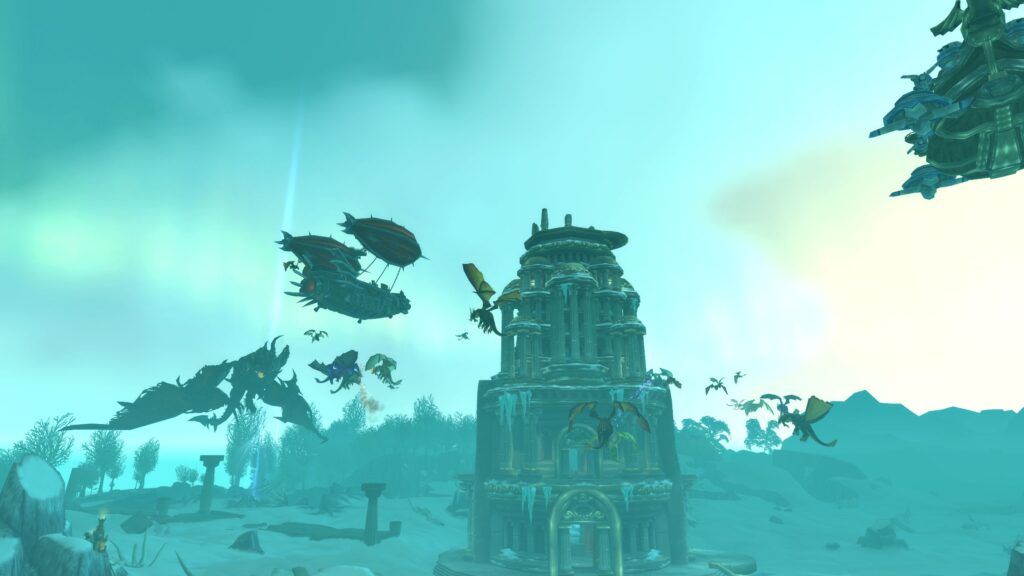
While some argued it enhanced the sense of adventure, others felt it was a step back, longing for the convenience of flight. This debate wasn’t just happening in-game but spilled over onto forums, highlighting how essential mobility is in your gaming experience. Whether you’re discussing the best monitor for gaming or the latest gaming laptops, the ability to fly in Draenor became a pivotal point of contention, emphasizing the critical balance developers must strike between innovation and player expectations.
Real Money Auction House
In an era where in-game economies mirror the complexities of the real world, Activision Blizzard’s introduction of the Real Money Auction House in Diablo III was a divisive move, directly influencing players’ engagement and strategies. This feature allowed you to buy and sell in-game items for real money, fundamentally altering how you interact with the game. No longer was progress solely the result of time invested and skill acquired; now, your financial investment could greatly impact your gameplay experience.

For some, this represented a convenient way to access high-level gear without dedicating countless hours to grinding. It provided a shortcut to competitiveness, especially appealing if you’re balancing gaming with a busy life. However, for others, it undermined the essence of what made Diablo III engaging. The thrill of the loot drop was overshadowed by the knowledge that any item could simply be purchased, reducing the incentive to play through challenging content.
Critically, it raised concerns about fairness and the potential for pay-to-win dynamics, where those with deeper pockets could gain an unfair advantage. Blizzard eventually removed the Real Money Auction House, acknowledging its impact on the game’s balance and the community’s enjoyment. This decision marks a pivotal moment in understanding the delicate balance between monetization and player experience.
Sylvanas Windrunners Story Arc
Sylvanas Windrunner’s story arc took players on a rollercoaster of emotions, challenging their perceptions of right and wrong in the World of Warcraft universe. Her journey from High Elf Ranger-General to Banshee Queen to Warchief of the Horde is a proof of Blizzard’s intricate storytelling. Yet, it’s not without its controversies. Here’s why:
- Moral Ambiguity: Sylvanas’s actions, particularly in recent expansions, blurred the lines between heroism and villainy. Players found themselves questioning if the ends justified the means, sparking debates within the community.
- Character Development: Some fans felt her shift to a more antagonistic role betrayed her character’s history and depth, arguing it was too abrupt or out of character.
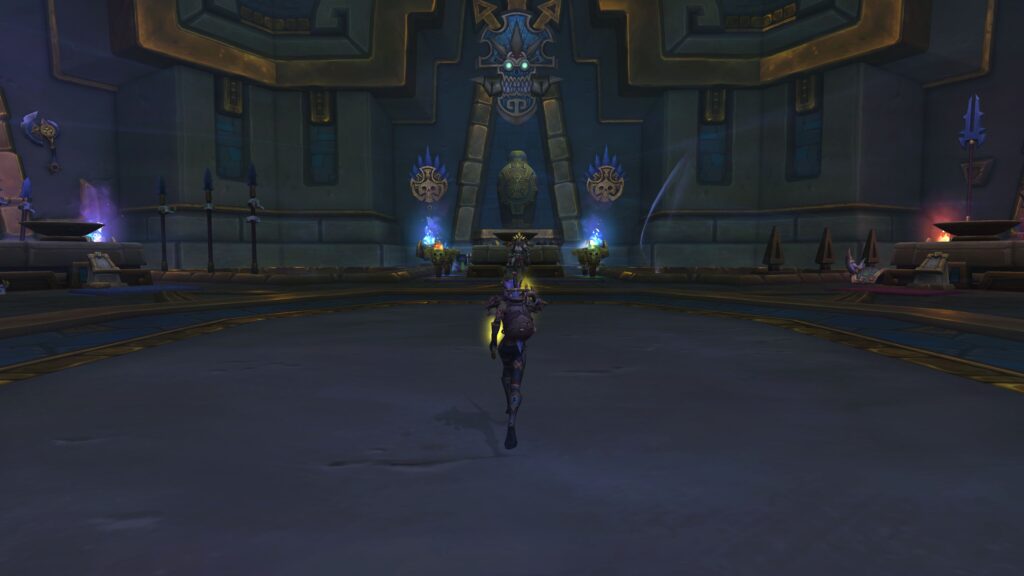
- Plot Twists: Key moments in Sylvanas’s arc, like the burning of Teldrassil, were polarizing. While meant to shock and provoke, some players felt these actions were for shock value alone, undermining previous narrative build-up.
- Endgame Resolution: The culmination of Sylvanas’s storyline left players divided. While some appreciated the closure, others felt it lacked the depth or redemption they expected for such a pivotal character.
Understanding Sylvanas’s arc requires maneuvering through these complex narrative waters, showcasing Blizzard’s willingness to push boundaries, for better or worse.
The Azerite System
The Azerite system, introduced in the Battle for Azeroth expansion, quickly became a contentious element among players, altering how gear and progression operated in World of Warcraft. You found yourself exploring a new terrain where Azerite, a potent substance emerging from the world’s wounds, became central to powering up your character. This system replaced the traditional artifact weapons from the previous expansion, requiring you to gather Azerite to strengthen your armor.
You’d collect Azerite through various means—world quests, dungeons, raids, and more. However, the catch was in the Azerite armor itself. It featured specific traits that you could access and upgrade, but the system was criticized for its lack of depth and the randomness of obtaining desirable traits. You were often at the mercy of RNG (random number generation), aiming to acquire the best combination of traits to optimize your performance. This frustration was compounded by the fact that not all traits were created equal, with some vastly outperforming others, leading to disparities in player power.
Moreover, the system’s introduction shifted focus towards grinding Azerite, making it feel like a chore for some. You were constantly pursuing the next piece of gear, sometimes at the expense of enjoying other aspects of the game. This aspect of the Azerite system was a point of contention, sparking debates on balancing effort and reward in the game’s ecosystem.
Frequently Asked Questions
How Have the Changes in Pvp Mechanics Over the Years Influenced the Balance Between Classes in World of Warcraft?
PvP mechanics changes in WoW have constantly shifted the balance between classes. You’ve seen some classes dominate seasons, while others struggle, reflecting how developers’ adjustments can greatly impact your gameplay and strategy in PvP.
What Impact Have Microtransactions Had on the Player Community and In-Game Economy Outside of the Real Money Auction House?
You’ve probably noticed your game’s economy feeling a bit more like Wall Street these days, right? Microtransactions have turned your epic quest into a shopping spree, impacting both community vibes and the in-game economy.
How Has the Introduction and Evolution of Cross-Realm Play Affected Server Communities and the Game’s Social Dynamics?
You’ve seen cross-realm play shift the game’s social dynamics, making it easier to find groups but diluting server communities. It’s changed how you interact, merging worlds but sometimes feeling less personal in your adventures.
In What Ways Have Developer Communications and Transparency Evolved in Response to Player Feedback on Controversial Decisions?
You’ve seen how developer communication and transparency have changed over time, influenced by player feedback. They’re now more open and engaging, using forums and social media to discuss updates and address your concerns.
How Have the Changes in Expansion Release Strategies (E.G., Pre-Patches, Phased Content Rollouts) Influenced Player Engagement and Retention Over Time?
You’ve seen how expansion release strategies, like pre-patches and phased rollouts, have shifted. These changes aim to keep you hooked, making the wait more bearable and ensuring content feels fresh over time.
Conclusion
In the grand tapestry of Azeroth, each thread represents a decision, weaving together a story that’s as complex as it is contentious. Like the legendary blacksmiths tempering steel, developers have shaped the game through choices that have both fortified and fractured the community. Remember, just as every piece of armor has its purpose, so too do these controversial decisions contribute to the larger narrative.
As you continue your journey, consider the craftsmanship that goes into creating the world you cherish and debate.