

To enhance raid team roles in World of Warcraft, meticulously assess team composition and guarantee class diversity to cover all necessary roles. Prioritize effective communication by establishing clear protocols and pre-raid briefings. Focus on class synergy to boost buff and utility management, and balance DPS by diversifying class specializations and managing cooldowns. Position tanks to maintain ideal aggro and assign healers based on class strengths to handle high-damage phases effectively. Regularly conduct post-raid debriefings to refine strategies. Embrace adaptability and continuous improvement to stay ahead, explore more enhanced approaches.
Key Takeaways
- Analyze team dynamics to identify and leverage strengths and address weaknesses.
- Assign roles based on class synergy and balanced distribution to avoid overload.
- Maintain clear, concise communication protocols for effective coordination and role clarity.
- Optimize DPS specialization diversity and manage cooldowns for sustained damage output.
- Allocate healers dynamically and manage cooldowns for consistent coverage and resource efficiency.
Assessing Team Composition
One of the most essential steps in optimizing your raid team’s roles in World of Warcraft is evaluating team composition. Start by analyzing team dynamics to identify strengths and weaknesses. Use assessment methods to gauge class diversity and guarantee a balanced spread of roles. Examine performance metrics, focusing on individual player strengths to enhance overall raid efficiency.
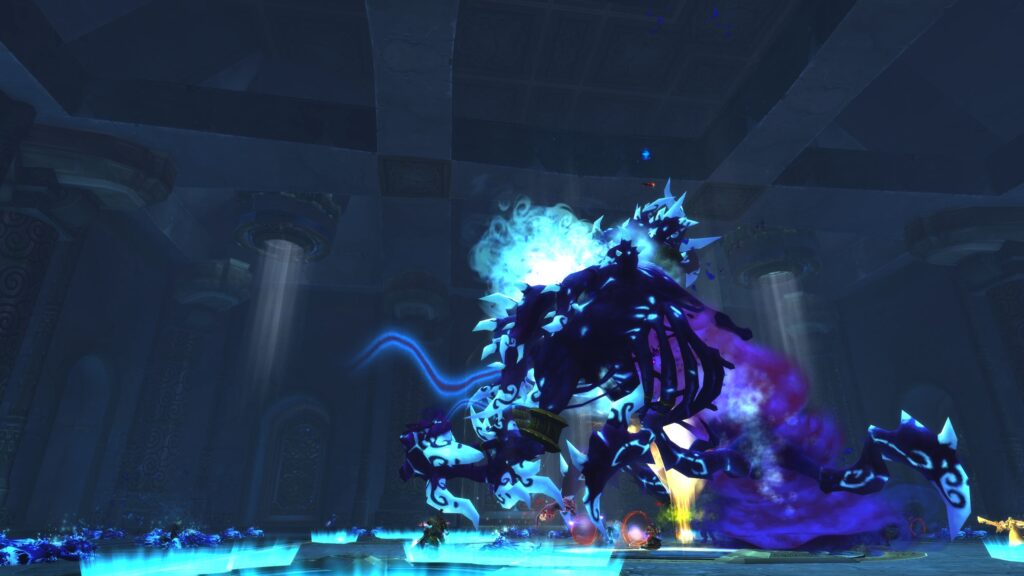
Conduct a thorough encounter analysis to understand the demands of each raid. This allows for better strategic planning and role flexibility tailored to specific challenges. Develop synergy by guaranteeing that team members complement each other’s abilities, maximizing their combined effectiveness.
Next, implement feedback loops to continuously refine team performance. Regularly review raid results and gather input from team members about their experiences and challenges. This ongoing dialogue helps you make informed decisions and adapt to new situations.
Role Assignment Strategies
When assigning roles in your raid team, focus on establishing effective communication protocols to guarantee seamless coordination. Prioritize class synergy by understanding how abilities complement each other to maximize efficiency. Finally, maintain balanced role distribution to cover all necessary functions without overburdening any single player or class.
Effective Communication Protocols
How can you guarantee that your raid team’s roles are optimized to achieve maximum efficiency? Implementing effective communication protocols is vital. Prioritize raid chat etiquette by making certain everyone adheres to concise, clear messaging. When assigning roles, clarity in instructions is essential: vague directives lead to confusion and mistakes.
| Aspect | Best Practices | Common Pitfalls |
|---|---|---|
| Raid Chat Etiquette | Use specific, short commands | Overloading chat with details |
| Clarity in Instructions | Assign roles clearly and succinctly | Using ambiguous language |
| Structured Discussions | Have pre-raid briefings | Ignoring feedback |
| Feedback Loop | Solicit input post-raid | Not following up on issues |
Use structured discussions before each raid to clarify assignments. Hold pre-raid briefings to inform members about their specific roles, focusing on the importance of their tasks within the overall strategy. Allow time for questions to prevent misunderstandings.
Post-raid debriefings create a feedback loop, necessary for continuous improvement. Solicit input from team members to pinpoint issues, then address those in the next briefing. This iterative process refines your strategies, making certain you have excellent role performance each time.
Essentially, establishing a disciplined approach to communication minimizes errors and maximizes efficiency. Following these guidelines guarantees everyone remains synchronized, contributing to the raid’s success.
Class Synergy Prioritization
Understanding class synergy is fundamental for optimizing role assignments in your raid team. The harmonious interaction of classes can dramatically enhance your raid’s performance. Start by analyzing class interactions that yield synergy benefits. For instance, combining a Paladin’s damage mitigation abilities with a Druid’s healing over time spells provides robust defensive coordination.
Leverage crowd control and utility skills to manage the battlefield effectively. A Mage’s Polymorph can neutralize key threats, while a Shaman’s totems offer vital buffs and debuffs. Effective buff management guarantees these bonuses are consistently applied across the team, amplifying overall offensive capabilities.
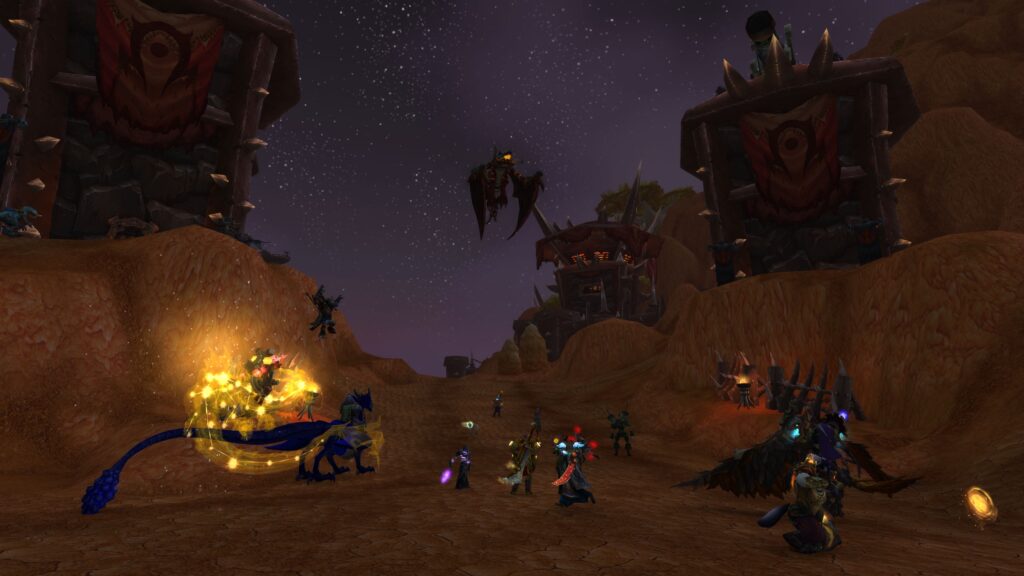
Class rotations should be examined meticulously. Combining a Rogue’s high burst damage with a Warrior’s sustained attack can create a relentless assault on bosses. Additionally, prioritize synergy enhancements that complement each class’s strong points. For example, coupling a Hunter’s Marksmanship with a Warlock’s Curse of Elements maximizes damage output.
Always consider the balance between offensive capabilities and defensive coordination. This dual focus allows you to adapt to varying fight mechanics. Fundamentally, understanding and optimizing class synergy enables you to allocate roles efficiently, safeguarding a well-coordinated and formidable raid team.
Balanced Role Distribution
A well-balanced role distribution remains crucial for maximizing raid efficiency and success. You need to guarantee role diversity, incorporating various classes to leverage their unique abilities and strengths. Advanced strategies revolve around:
- Combat efficiency: Assign roles that maximize DPS without compromising defense.
- Damage mitigation: Utilize support roles and class utility to reduce incoming damage.
- Heal rotation: Prioritize effective healers who can maintain a robust healing throughput.
- Tank positioning: Position tanks strategically to control aggro and reduce the risk of raid-wide damage.
Role diversity guarantees that each encounter is tackled with the best possible combination of skills. Player flexibility and strategic adaptation are essential, allowing for quick changes in the heat of battle. During encounter preparation, analyze the raid composition and adjust assignments for peak performance.
Effective tank positioning and heal rotation are non-negotiable for prolonged fights requiring sustained damage mitigation. A mix of support roles can provide critical buffs, shields, and debuffs, enhancing overall combat efficiency. By fostering player flexibility and promoting strategic adaptation, you’ll maintain a dynamic and resilient raid team.
Balancing DPS Roles
To balance DPS roles effectively, diversify class specializations to cover various damage profiles and crowd-control abilities. Guarantee smooth resource management by coordinating cooldowns to maximize burst phases and prevent overlap. This strategic approach enhances overall raid performance and adaptability in shifting battle conditions.
Diversifying Class Specializations
Balancing DPS roles in your raid team can dramatically enhance overall performance and guarantee adaptability during encounters. By diversifying class specializations, you leverage unique abilities that cater to different scenarios, maximizing both damage output and survivability.
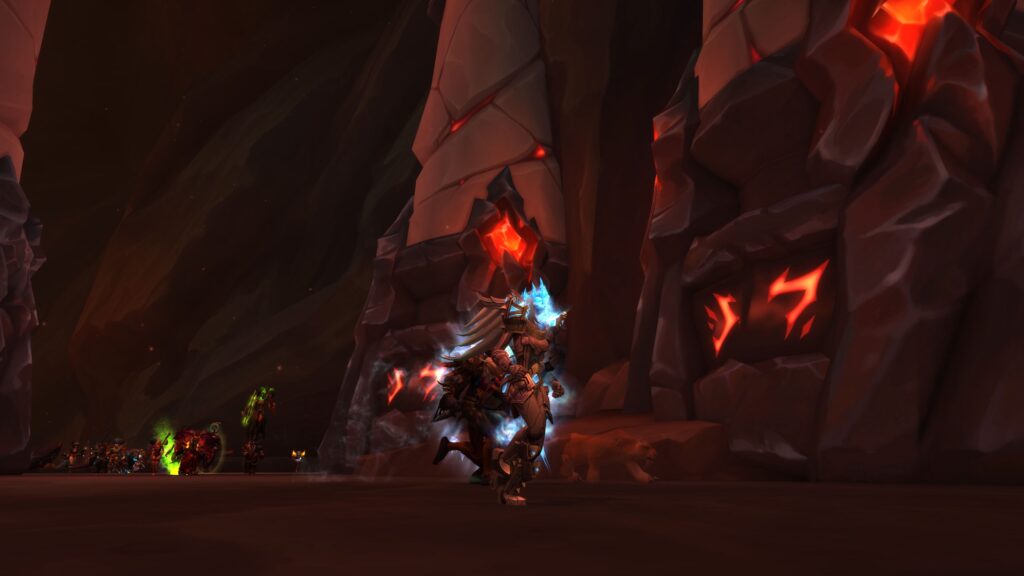
Class diversity enriches your raid composition, allowing you to:
- Mitigate mechanics: Different specializations offer unique crowd-control, debuff, and utility skills.
- Adapt to fight phases: Having a mix of melee and ranged DPS guarantees you’re effective in various fight stages.
- Counter specific boss abilities: Some specializations have niches that can disrupt or nullify particular boss mechanics.
- Optimize raid buffs: Diverse classes bring essential buffs and debuffs, enhancing overall team performance.
When considering specialization benefits, balance is essential. Ensure a mix of burst and sustained damage dealers to handle fights that demand quick target eliminations or prolonged combat efficiency. Don’t overlook hybrid classes like Druids and Shamans, which contribute flexibility with off-healing or off-tanking, bolstering your raid’s adaptability.
Managing Resource Cooldowns
Harnessing the full potential of your raid team hinges on effectively managing resource cooldowns, directly influencing your DPS roles’ performance. Resource management is key to maximizing burst damage and utility usage. Efficient cooldown synchronization allows you to leverage the finest timing in your team’s ability rotation, enhancing overall damage output.
| Strategy | Key Aspects | Benefits |
|---|---|---|
| Resource Management | Ability Rotation | Sustained DPS |
| Cooldown Synchronization | Best Timing | Burst Damage |
| Efficiency Planning | Stamina Preservation | Long-term Survival |
First, prioritize ability rotation. Balancing high-damage skills with necessary utility guarantees sustained DPS. Track major cooldowns, and plan resource management to minimize downtime. Your team’s performance depends on the precise execution of these rotations.
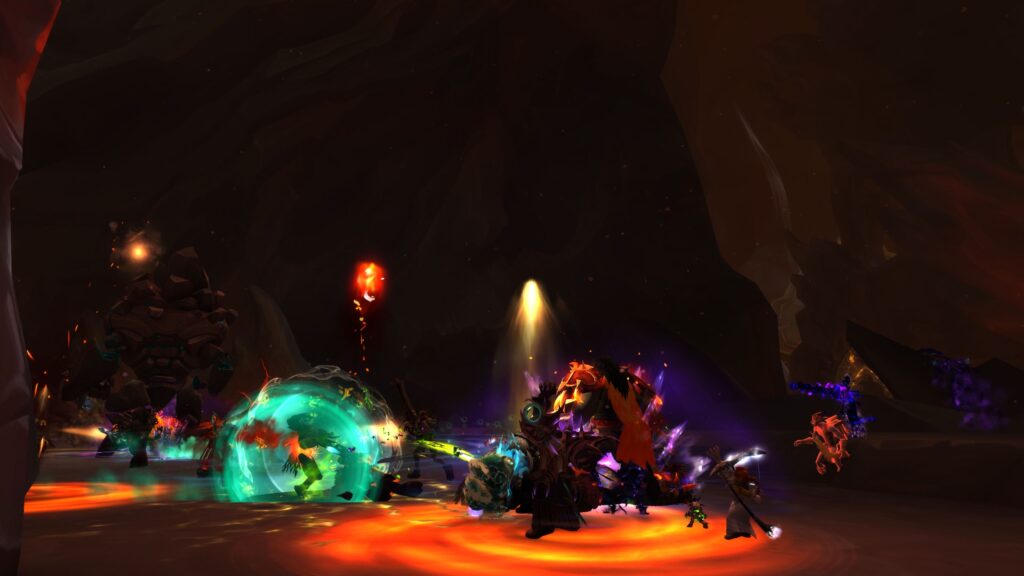
Next, focus on cooldown synchronization. Align major cooldowns across multiple players to maximize burst damage during critical moments. This tactic turns potential hazards into opportunities for massive damage spikes, swiftly turning the tide in your favor.
Lastly, incorporate efficiency planning into your team’s strategy. Efficiently manage stamina preservation to guarantee long-term effectiveness. Avoid overextending resources too early in the encounter, allowing for a stronger, more consistent performance throughout the raid.
Effective Healer Allocation
Effective healer allocation forms the backbone of any successful raid team in World of Warcraft. Proper healer assignment strategies and efficient healer cooldowns management can be the difference between victory and defeat. Here’s how you can optimize healer roles and guarantee your team’s survival.
First, understand the strengths and weaknesses of each healing class. This allows you to distribute roles based on individual healer capabilities. Some healers excel in single-target healing, while others thrive in AoE healing.
Effective healing assignments include:
- Tank Healers: Allocate a dedicated healer for each tank to guarantee their survival during high-damage phases.
- Raid Healers: Assign healers for the broader group to cover sustained raid-wide damage.
- Cooldown Utilization: Plan healer cooldowns in advance for predictable high-damage events. Coordinate cooldowns to avoid overlap and guarantee consistent coverage.
- Communication and Adaptation: Maintain open communication channels. Adapt healer positions and assignments dynamically as the encounter evolves.
Tanking Duties and Coordination
How can you guarantee your raid’s tanks are perfectly synchronized? Start with threat management. Make certain each tank understands their role in maintaining threat so DPS players can operate freely. Employ taunt rotations to handle boss mechanics that target random players, guaranteeing agro control at all times.
Positioning strategies are essential. Tanks must position the boss to minimize damage to the raid and exploit positional mechanics. Effective movement coordination reduces chaos and maximizes encounter efficiency.
Cooldown timings and mitigation tactics are your best friends in surviving deadly phases. Strategically use defensive abilities like Shield Wall or Guardian Spirit during high-damage moments. These damage reduction skills are imperative for survival.
Optimize encounter awareness by studying boss mechanics and planning your tank swaps and defensive usages accordingly. Make sure each tank knows when to swap, using taunt rotations smoothly to avoid unnecessary damage spikes.
Don’t underestimate the power of proper movement coordination. Synchronize tank movements to avoid cleaves and AoE attacks while positioning the boss to maximize upcoming DPS windows.
Communication and Synergy
While impeccable tanking can lay the groundwork for a successful raid, the cornerstone of any great team lies in robust communication and synergy. Your team dynamics hinge on emotional intelligence and the capacity to navigate conflict resolution effectively. Prioritize active listening and be attuned to non-verbal cues to respond accordingly. Engage in frequent feedback loops to guarantee role clarity and address any ambiguities proactively. Here are some practical strategies to boost your raid team’s communication and synergy:
- Trust Building: Foster an environment of mutual respect and open dialogue, essential for any successful raid team.
- Leadership Styles: Adapt your approach based on the situation and the individual temperaments within your team.
- Morale Boosting: Recognize and celebrate successes, no matter how small, to keep spirits high and enhance overall productivity.
- Engagement Strategies: Encourage social interaction beyond raid times to cultivate a more cohesive and engaged team.
Implementing these methods not only strengthens individual roles but also fortifies the collective team dynamic. Trust and role clarity lead to higher performance, while strategic leadership and boosting morale elevate overall enthusiasm. When communication lines are open and clear, the synergy that follows will pave the way for more harmonious and victorious raids.
Adapting to Raid Mechanics
Conquering raid mechanics demands not only skill but also adaptability and quick reflexes. As you engage in high-level encounters, mechanic adaptability becomes pivotal. Start with encounter analysis—break down each phase, noting critical boss mechanics and how they affect your team’s roles. This detailed understanding shapes your initial strategy and allows room for necessary strategy adjustments on the fly.
To optimize role flexibility, guarantee everyone knows not only their primary role but also secondary tasks they might need to tackle. For example, a healer might need to switch to emergency dispels or additional DPS during critical windows. Adaptability across roles ensures that unexpected situations don’t spiral out of control.
When executing your plan, keep communication fluid but concise. Real-time updates about mechanic changes help the team adjust promptly. Use tools like add-ons to track boss mechanics and cooldown management, giving you a precise edge. Always be prepared to pivot—from repositioning to altering healing or damage output patterns—based on the dynamics of the encounter. By mastering these advanced strategies, you maintain control and elevate your team’s performance, seamlessly integrating mechanic adaptability into every raid.
Frequently Asked Questions
How Can I Track Raid Cooldowns More Efficiently?
To track raid cooldowns more efficiently, use add-ons like WeakAuras or Exorsus Raid Tools. These tools provide visual and audible alerts directly in your UI. Prioritize cooldown tracking by setting up custom displays for key abilities. Combine this with efficient communication through voice chat or macros to guarantee everyone’s aware of critical cooldowns. Analyzing cooldown usage patterns will further enhance your team’s performance and strategy.
Should Raid Roles Be Adjusted Based on Specific Boss Fights?
Picture the chaos of a raid: flames roaring, enemies converging. Should raid roles be adjusted based on specific boss fights? Absolutely. Analyze boss mechanics closely. Utilize role flexibility to adapt your team’s fight strategy, enhancing team synergy. Each encounter requires precise roles—tank swaps, burst damage phases, or healer mobility. Tailoring roles to these unique demands guarantees peak performance and turns the tide of battle in your favor.
What Addons Can Improve Overall Raid Performance?
To enhance your raid performance, use damage meters like Details! for precise DPS analysis and healing addons such as Healbot for efficient healing. Implement threat management tools like Omen to prevent aggro issues. Buff tracking add-ons keep essential buffs active. Encounter timers like DBM streamline fight phases. Use communication tools like Discord for seamless coordination. Employ versatile raid utilities, and automation scripts to simplify repetitive tasks and elevate your efficiency.
How to Handle Role Conflicts Among Team Members?
When handling role conflicts among team members, emphasize conflict resolution through structured team communication. Initiate a meeting to openly discuss concerns and different perspectives. Encourage each member to voice their preferences and potential role contributions. Analyze team needs and align roles based on skills and team dynamics. Effective conflict resolution guarantees optimized productivity and team cohesion, fostering a collaborative environment that prioritizes the raid’s success.
Are There Any Common Mistakes to Avoid During Role Optimization?
You absolutely can’t afford to botch role distribution! One major blunder is ignoring synergy improvement. Each team member’s strengths should mesh perfectly, ensuring maximum efficiency. Don’t underestimate communication strategies; they’re crucial for clear, real-time adjustments. Another common mishap is inflexibility. Embrace flexibility training to swiftly adapt to changing battle conditions, ensuring your team remains undefeatable. By nailing these aspects, you’ll drastically enhance your raid team’s performance.
Conclusion
To illustrate, think of your raid team as an orchestra. If the violin and drums don’t synchronize, the melody falls apart. Similarly, in World of Warcraft, optimizing raid roles guarantees each player performs in harmony. A study by WoW Progress highlighted that balanced teams completed Mythic raids 20% faster. Apply these analytical insights and advanced strategies to your raid team, and you’ll conquer even the toughest encounters with precision and success.
Explore More WoW Raiding Insights on Our Blog!