

To excel in leading World of Warcraft raids, start by knowing your raid composition, ensuring a balanced team of tanks, healers, and DPS. Pre-raid preparation is vital; gather essential consumables and confirm clear role assignments. Effective communication is the backbone, requiring clear instructions and active listening. Master strategies and tactics by understanding boss mechanics and assigning cooldowns precisely. Adapt quickly to challenges and maintain team motivation with regular feedback. After each raid, conduct debriefs to analyze performance and set actionable goals. These steps will position you and your team for consistent victory. Continue exploring these methods for enhanced success.
Key Takeaways
- Assemble a balanced team with tanks, healers, and diverse DPS roles for optimal class synergy.
- Prepare meticulously by ensuring all raid members have necessary consumables like potions and food buffs.
- Communicate effectively with clear feedback, active listening, and addressing team concerns promptly.
- Assign clear responsibilities to each raid member, enhancing overall efficiency and accountability.
- Adapt strategies based on real-time team communication and performance analytics for continuous improvement.
Know Your Raid Composition
Understanding your raid composition is vital for success in World of Warcraft. You’ll need to think strategically about raid synergy and class balance. Each class brings unique abilities that can make or break an encounter. When selecting raid members, aim for a mix of tanks, healers, and DPS that complements each other.
Start by guaranteeing your tanks can hold aggro effectively while mitigating damage. Healers should be capable of managing burst damage phases and sustained healing. Your DPS should provide both single-target and AoE damage for versatility. The key to mastering raid synergy is knowing the strengths and weaknesses of each class and how they interact.
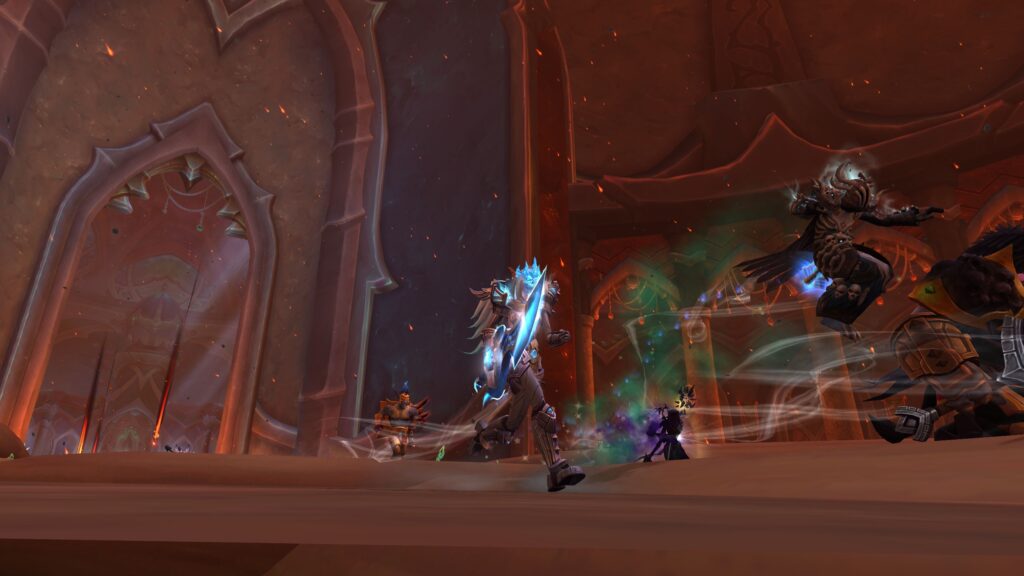
You can’t overlook class balance. A well-balanced raid will cover various buffs and debuffs, providing the group with significant advantages. For example, a combination of Druids, Paladins, and Priests can provide robust buffs and healing, while Warriors, Rogues, and Mages deliver potent damage.
Having the right mix guarantees that you’re prepared for any challenge the raid might throw at you. Coordinate with your team, understand their capabilities, and you’ll be well on your way to achieving raid success.
Pre-Raid Preparation
Before any raid, you’ve got to assemble an ideal team by ensuring a balance of roles and skills among your players. Don’t neglect to stock up on essential consumables like potions, flasks, and food buffs. Effective pre-raid preparation sets the stage for your team’s success.
Assemble Optimal Raid Team
To assemble a superior raid team for World of Warcraft, start by identifying the core roles each member will fill. Class composition is paramount; you’ll need a balanced mix of tanks, healers, and DPS to effectively tackle raid encounters. Prioritize role diversity to guarantee your team can adapt to various encounter strategies. Having a well-rounded group with strong player synergy can make or break a raid’s success.
For an ideal group, verify class balance by including a variety of classes that complement each other. For instance, a mix of melee and ranged DPS can maximize damage output. Confirm you have robust healing roles to keep everyone alive, and efficient tanking strategies to manage threat and absorb damage. Pay particular attention to crowd control capabilities; they can simplify complex encounters by neutralizing dangerous adds.
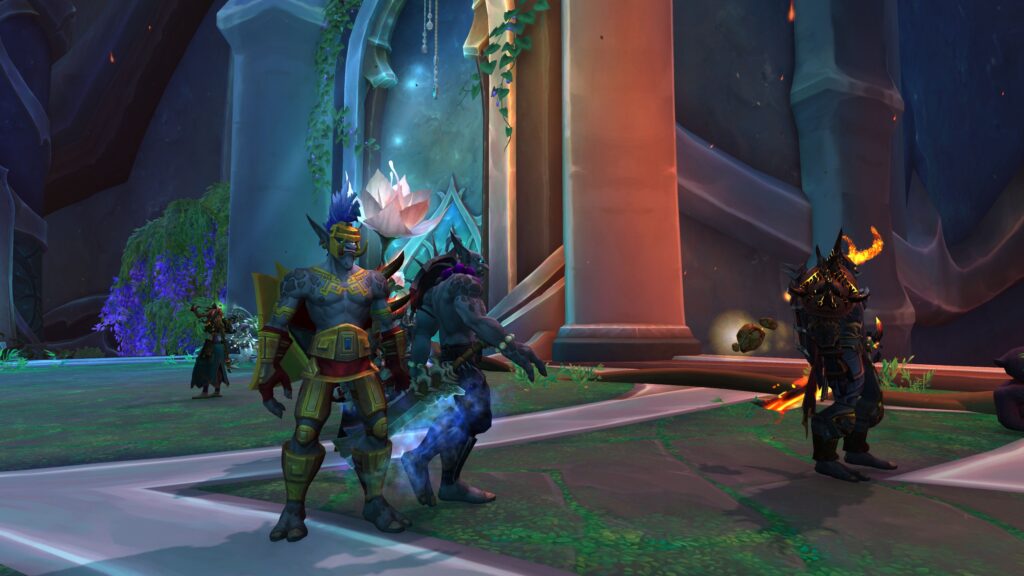
Always consider the encounter strategies of the raid you’re entering. Some fights may favor certain classes or require specific abilities. By planning ahead and thoughtfully assembling your raid team, you’ll markedly increase your chances of success. Fine-tuning your team’s composition guarantees you’re well-prepared for the challenges ahead.
Prepare Essential Consumables
With your raid team meticulously assembled, it’s equally important to guarantee everyone is properly equipped with all necessary consumables. Start by ensuring each member has stocked up on buff potions and food buffs. Proper elixirs usage can considerably enhance your team’s performance, so it’s vital to plan ahead and distribute these strategically.
Healing items are indispensable. Whether it’s health potions or bandages, everyone should have them readily available. Effective cooldown management can mean the difference between success and failure, so designate specific times for their use to maximize efficiency.
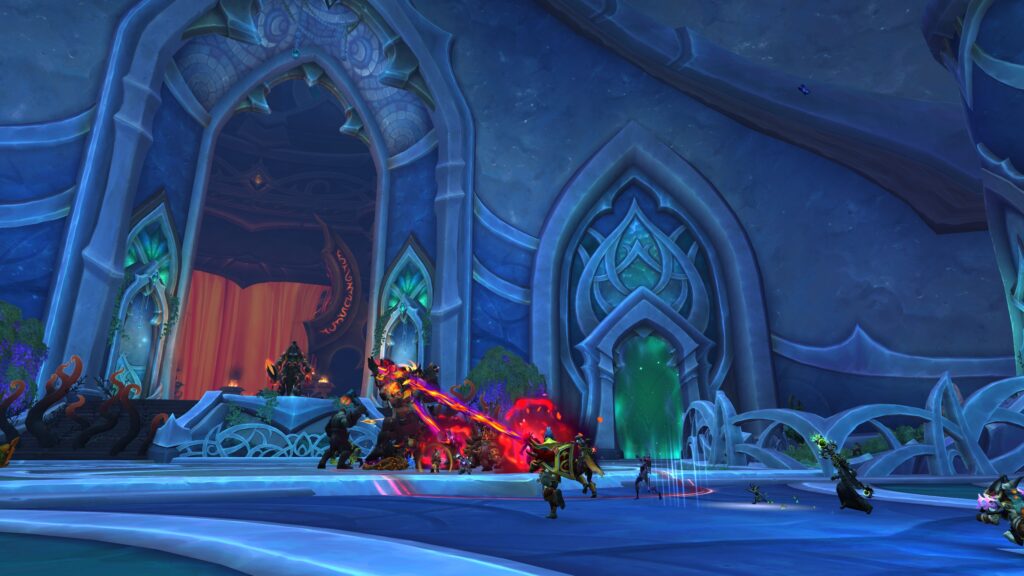
Pre-raid stockpiling is another essential step. Make sure you allocate ample resources ahead of time to avoid any last-minute scurries. Consistent consumable timing can elevate your raid’s overall effectiveness. Knowing when to consume buff potions and food buffs during the raid maximizes their impact.
Choose your potions wisely. Good potion selection can provide vital buffs that harmonize with your squad’s skills, creating ideal buff synergy. Expert resource allocation lets you manage these consumables efficiently, ensuring no one runs out halfway through the raid.
Effective Communication
Effective communication is the backbone of successful raid leadership in World of Warcraft. As a raid leader, your role hinges on your ability to convey strategies, make quick decisions, and maintain a cohesive team atmosphere. Start by practicing active listening. Pay attention not just to what your raiders say, but also how they say it. Understand their concerns and viewpoints, and guarantee everyone feels heard.
Next, provide clear feedback during and after encounters. Constructive criticism helps improve individual and team performance. Be specific about what went wrong and how to fix it. This avoids any ambiguity and keeps your team focused on improvement.
Assign Clear Roles
Assigning clear roles is imperative for a well-coordinated raid team. As a raid leader, you need to guarantee every member understands their responsibilities and is prepared to execute them. Start by defining role clarity for each position. Explain what is expected from your tanks, healers, and DPS players. This role specialization enhances efficiency since each member focuses on their strengths.
Role accountability is vital. Make certain everyone knows they’re responsible for their designated job, and set up a system to monitor performance. Remember, role synergy is the backbone of success; your team must work seamlessly together. For this, consider role balance; a well-rounded group will adapt better to unexpected challenges.
Encourage role flexibility by cross-training members on multiple roles. This role adaptation allows the team to adjust strategies without missing a beat. Also, maintain role readiness by making sure everyone prepares gear, potions, and other essentials before the raid begins.
Achieving this level of coordination isn’t just about assigning roles. It’s about fostering a sense of unity and preparation that turns good raid teams into great ones. Clear roles enable your team to face even the toughest bosses with confidence.
Master Strategy and Tactics
To truly excel in raid leadership, mastering strategy and tactics is non-negotiable. Boss encounters require meticulous planning and acute tactical adjustments on the fly. Begin by understanding the core mechanics of each fight. Study the boss’s abilities and scripting to anticipate phases and significant moments. You’ll need to maximize group synergies and understand class dynamics to tailor your group’s capabilities effectively.
Positioning strategies are paramount. Assign melee and ranged roles zones to optimize damage distribution and minimize unnecessary movement. For cooldown management, pre-assign major cooldowns for significant phases to guarantee survival. Effective healing assignments guarantee healers cover designated groups or players, reducing overlap and wasted healing.
Understanding threat generation is vital for tanks to maintain aggro, while DPS players should be mindful of their threat levels to avoid unnecessary wipes. Command your team to be vigilant about environmental awareness, noting hazards and opportunities within the raid area. Quick, decisive communication about tactical adjustments underpins all successful strategies, keeping the raid cohesive and responsive to evolving conditions. Remember, a leader’s strategic acumen can make or break a raid’s success. Your finesse in handling these elements will set the standard for your team.
Monitor Performance
Regularly monitoring performance is vital for identifying strengths and areas of improvement within your raid team. Start by conducting detailed performance reviews after each raid to track how well your team meets efficiency benchmarks. Collect in-depth gameplay analytics to obtain objective data on DPS, healing output, and damage taken.
Don’t underestimate the value of player feedback; it offers insight into team dynamics and individual experiences. Use skill assessments to evaluate each member’s execution of their roles, and conduct role evaluations to guarantee every player is in the correct position for their abilities.
Organize strategy workshops to discuss tactics that worked and areas needing adjustments. This proactive approach fosters an environment of continuous improvement. Additionally, efficiency benchmarks help track how effectively your team manages their time and resources during raids. When all these elements are combined, they provide a thorough picture of your raid’s performance.
Adapt to Challenges
To effectively adapt to challenges during a raid, you need to analyze raid mechanics thoroughly, plan flexible strategies, and maintain real-time communication with your team. Focus on understanding each encounter’s specific demands so you can adjust tactics on the fly. Your ability to relay essential information and adapt as the situation evolves will be vital for overcoming obstacles.
Analyze Raid Mechanics
Understanding and adapting to raid mechanics is important for any successful raid leader. You need to grasp the fight mechanics in detail to lead your team effectively. Start by analyzing the damage thresholds required to meet DPS checks. Position phases are essential; make certain that your team understands where to stand during various segments of the encounter. Encounter abilities often have specific timing mechanics that need precise execution—failing to manage these can result in a wipe.
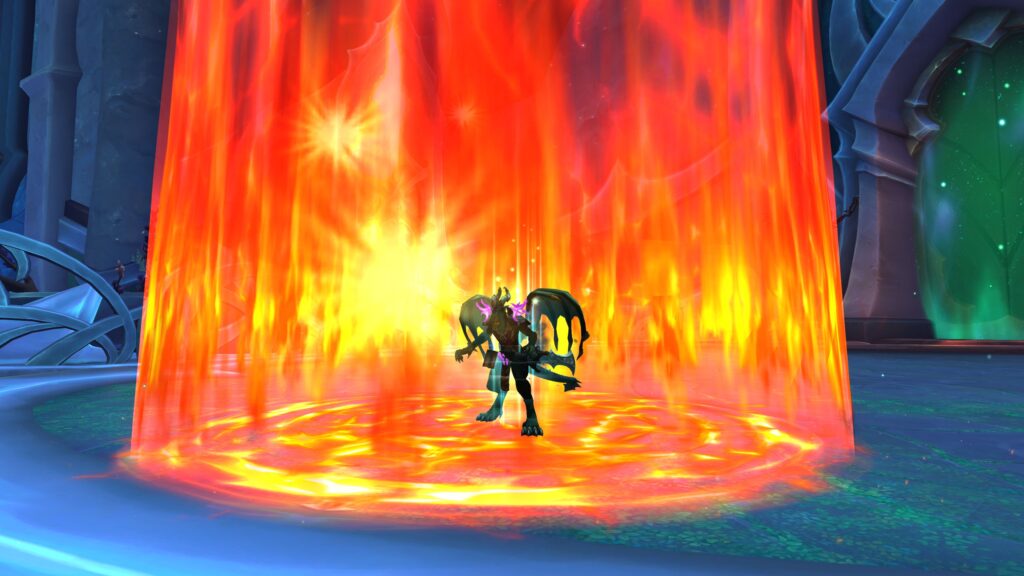
Don’t overlook environmental hazards like fire pools or moving lasers. Your team’s positioning in these can drastically affect the healing strategies needed to keep everyone alive. Next, crowd control isn’t just for trash mobs; some raid bosses have adds that must be controlled to prevent chaos. Debuff management is also critical; know who needs to dispel or cleanse at specific points.
Flexible Strategy Planning
In any raid, adaptability is key. You’ll face a multitude of challenges that require dynamic encounter adjustments. Being able to pivot quickly is essential for success. Equip yourself and your team with strategic flexibility training to manage unexpected setbacks effectively.
Here are techniques to enhance your team’s adaptability:
- Situational awareness techniques: Train your team to maintain high situational awareness. This guarantees everyone can spot issues before they escalate.
- Proactive problem solving: Encourage your members to identify potential problems and creatively solve them before they disrupt the raid.
- Adaptive role shifts: Confirm your team is comfortable switching roles on-the-fly if needed. This keeps the group agile and responsive.
- Creative tactical solutions: Develop a toolkit of diverse strategies. This way, you can adapt tactics based on the raid’s specific encounters.
Real-time Team Communication
Seamless communication often determines the success or failure of a raid. Utilizing voice channels effectively guarantees your team is synchronized. Make certain everyone knows the primary voice channel to use and establish backup options in case of technical issues. Real-time tools, like in-game or Discord-based voice chat, play an essential role in this coordination.
Establishing feedback loops can vastly improve your raid’s adaptability. Encourage your team to share immediate thoughts after major encounters. This real-time feedback helps refine strategies swiftly. Understanding different communication styles also helps cater your approach to various team members, confirming everyone is on the same page.
Callouts clarity is essential for swift execution. Use precise, unambiguous language during critical moments—practice short, distinct callouts to avoid confusion. Multitasking strategies are equally important; coaching your team to handle multiple tasks while maintaining open lines of communication can boost overall performance.
Conflict resolution must be swift to maintain morale. Address any disputes promptly to prevent disruptions. Finally, enhance engagement techniques by keeping everyone involved, making certain each member feels their role is vital. This combination of real-time communication strategies will inevitably lead your team to greater raid success.
Motivate Your Team
Motivating your team in World of Warcraft isn’t just about rallying cries and pep talks; it’s about creating an environment where every player feels valued and driven to perform at their best. Start by promoting team bonding through regular interactions, both in-game and on platforms like Discord. Positive reinforcement is essential; make sure to acknowledge individual contributions and celebrate team victories to boost morale.
Aligning everyone towards shared goals helps in creating a sense of purpose and unity. Encouraging feedback from all members fosters an open, communicative atmosphere where everyone feels heard. During conflicts, focus on resolution techniques such as active listening and understanding each party’s perspective.
Trust is the foundation of a strong team. Build it by demonstrating reliability and consistency in your decisions and actions. Stress management is also vital, so regularly check on your team’s mental and emotional health to foster a camaraderie-filled, supportive environment.
Consider these strategies to keep your team motivated:
- Celebrate victories: Acknowledge both small and large milestones.
- Use positive reinforcement: Recognize individual and team efforts.
- Foster camaraderie: Hold team-building activities.
- Encourage feedback: Promote an open and communicative environment.
Debrief After Raids
How can you assure your team continuously improves? Conducting a debrief after raids is vital. Start by fostering an environment where player feedback is valued. Encourage open discussions and honest raid reflections. This will help you identify issues and address any concerns promptly.
During the debrief, focus on performance evaluation. Analyze key metrics and individual contributions. Highlight successes and pinpoint areas that need improvement. Evaluating strategy effectiveness is essential—did the plan work, or do adjustments need to be made? This strategic thinking guarantees your team can adapt and overcome future challenges.
Evaluating team dynamics is another important component. Observe how well members worked together. Were there any conflicts or miscommunications? Address these promptly to maintain a cohesive and efficient unit. Conduct a morale assessment to gauge team spirit. Celebrate victories, no matter how small, to boost morale and keep players motivated.
Set clear, actionable goals for the next raid. This goal setting keeps everyone focused and gives them something to aim for. By systematically evaluating performance and setting targets, you not only improve the team’s effectiveness but also enhance overall raid success.
Continuous Improvement
To guarantee continuous improvement in your raids, you should regularly analyze raid metrics to identify areas for growth. Enhance team communication by fostering an open environment where everyone can share feedback. Implement new strategies based on these insights to keep your team adaptable and ready for future challenges.
Analyze Raid Metrics
Continuous improvement in raid performance hinges on the strategic analysis of raid metrics. By delving into these metrics, you can uncover invaluable insights for fine-tuning your strategies. Focus on key areas such as damage output, healing uptime, and boss positioning. These elements are essential for optimizing overall raid efficiency.
After each raid, perform a thorough encounter analysis to identify strong and weak points. Utilize performance comparison tools to measure individual contribution and track improvements. Consider these key metrics:
- Damage output: Track each player’s damage to identify top performers and those needing improvement.
- Healing uptime: Measure the consistency and effectiveness of your healers, ensuring they’re maximizing their healing potential.
- Cooldown management: Analyze how well players use their abilities and cooldowns during vital moments.
- Encounter timing: Evaluate the speed and precision of each phase in the encounter to spot any delays or inefficiencies.
Having gathered and scrutinized this data, you can adjust your strategies accordingly. Address weaknesses, highlight successes, and bring the team together with a clear focus on areas requiring improvement. By consistently reviewing and iterating on these metrics, you foster a culture of continuous improvement and drive your raid team toward greater success.
Enhance Team Communication
Effective team communication is the cornerstone of a successful raid. You need to practice active listening, ensuring every voice is heard and understood. Establish clear objectives so your team knows exactly what’s expected. Implement feedback loops where team members regularly provide and receive constructive feedback. This fosters continuous improvement.
Address conflicts promptly with conflict resolution strategies that maintain group harmony. Be aware of your tone; the way you say something can be as important as what you say. Use encouragement tactics to boost morale and reinforce positive behaviors.
Communication tools like Discord or in-game voice chat can streamline information sharing. Make the most of non-verbal cues; even a brief silence or a terse reply can signal underlying issues. Engage your team with strategies that prompt interaction, such as asking open-ended questions or assigning specific responsibilities.
Encourage transparency in information sharing to keep everyone on the same page. Share strategies, status updates, and progress reports regularly. Your aim is to build a robust communication framework that keeps everyone informed and motivated. By focusing on these aspects, you can greatly enhance team communication and drive raid success.
Implement New Strategies
Rolling out new strategies is essential for keeping your raid team adaptable and efficient. By continuously implementing new techniques, you guarantee that the team remains proactive and ready to tackle any challenge. Whether you’re dealing with a newly released raid tier or refining strategies for an existing encounter, adopting innovative approaches can give your team the competitive edge it needs.
To successfully implement these strategies, consider the following:
- Analyze Data: Use combat logs and performance metrics to identify areas for improvement.
- Conduct Trials: Test new techniques in practice runs before executing them in actual raids.
- Open Feedback Loop: Encourage team members to share their insights and suggest better methods.
- Adapt Quickly: Be prepared to pivot and modify strategies based on real-time performance and outcomes.
Emphasize that evolving tactics aren’t just about staying ahead of the curve, but also about fostering an environment where continuous improvement is the norm. This makes your team resilient and versatile, capable of overcoming the most formidable foes in World of Warcraft. Remember, the success of your raid heavily relies on your ability to implement and perfect new strategies efficiently.
Frequently Asked Questions
What Are Some Common Mistakes New Raid Leaders Make?
New raid leaders often struggle with communication issues, failing to clearly define role clarity. Ignoring team dynamics can lead to conflicts, and poor expectation management causes frustration. Without effective feedback loops, they can’t improve, and inadequate preparation strategies leave the raid at a disadvantage. You need to prioritize strategic communication, detailed planning, and continuous feedback to avoid these common pitfalls.
How Do You Handle Loot Distribution Disputes?
To handle loot distribution disputes, use loot council for decision-making. Ascertain fair bidding and establish transparent rules beforehand. Apply communication strategies to discuss issues openly. Consider past performance and contributions when evaluating claims. Use feedback to cater to personal preferences and refine methods. Always aim for fairness and clarity to maintain harmony and trust. Proactive, strategic thinking will prevent most conflicts and make resolution smoother.
What Tools Can Assist With Raid Scheduling?
When it comes to raid scheduling, having the right tools makes all the difference. Think of calendar apps as the backbone of your planning—keeping everyone on the same page. Scheduling bots streamline team communication and handle attendance tracking effortlessly. Event reminders guarantee no one forgets. For international teams, time zone management is a must. Effective raid planning and roster coordination turn chaos into a symphony. Don’t overlook these tools for smooth operations.
How Do You Integrate New Players Into an Established Raid Team?
Integrate new players smoothly by developing a structured onboarding process. First, guarantee clear communication strategies so everyone understands roles and expectations. Assign a veteran as a mentor to guide them through initial raids. Include practice runs to build confidence and teamwork. Make certain to provide constructive feedback and encourage open dialogue. By addressing concerns proactively, you’ll foster a cohesive, efficient raid environment with your new team members.
What Are Some Effective Ways to Manage Downtime During Raids?
Managing downtime during raids effectively involves a mix of strategic breaks and effective communication. You should plan short breaks to allow players to recharge, which minimizes fatigue. Communicate clearly about the schedule and any changes to keep everyone on the same page. Use downtime for discussing strategies or reviewing performance to reinforce team cohesion. This way, you maintain momentum, guarantee readiness, and keep everyone engaged and motivated throughout the raid.
Conclusion
In World of Warcraft, successful raid leaders see a 30% higher team success rate. By mastering raid composition, prep, and communication, you’ll transform your raids into smooth operations. Assign roles clearly and remain adaptable to challenges. Motivating your team and holding post-raid debriefs guarantee continuous improvement. Remember, it’s not just about the loot—it’s about growing together as a cohesive unit. Keep refining your strategies and watch your team’s performance soar. Happy raiding!
Explore More WoW Raiding Insights on Our Blog!