

Adapting to new raid mechanics in World of Warcraft means diving into patch notes for detailed updates on boss abilities and class changes. Watching strategy videos helps you grasp ideal positioning and mechanics. Join raid communities to share and gain insights, enhancing your adaptability. Practice on the Public Test Environment (PTR) to master new abilities and timing. Build flexible teams and encourage role diversity to tackle unexpected challenges. Master your class roles for strategic advantage, and communicate effectively using voice tools for immediate coordination. With these tactics, you’ll be well-prepped to face intricate raid encounters and excel.
Key Takeaways
- Study patch notes for detailed insights into new boss mechanics and environmental changes affecting raids.
- Watch strategy videos to grasp mechanics, ideal positioning, and skill rotations from experienced players.
- Join raid communities to network, share strategies, and gain insights from veteran raiders.
- Practice new mechanics in the PTR to familiarize and optimize abilities and timing.
- Communicate clearly and coordinate effectively within your team for seamless strategy execution.
Study Patch Notes
When adapting to new raid mechanics in World of Warcraft, diving into the patch notes is your essential first step. You’ll want to scrutinize the details for any new abilities the bosses might wield and the environmental changes that can alter the dynamics of the raid encounter. This mechanic analysis helps you anticipate what you’ll face and plan your strategies accordingly.
Patch notes are often dense with information, so focus on identifying emerging patch trends. Look for recurring themes in boss mechanics such as enrage timers or debuff stacking. These patterns can offer insights into the developers’ design philosophy and what challenges lie ahead in the raids.

While reading through the patch notes, pay attention to the comments on class changes as well. Adjustments to spells, abilities, and talents can drastically affect your performance and role within the raid. By keeping abreast of these updates, you can guarantee that your character is optimized for the new content.
Incorporating this detailed understanding from the patch notes allows you to enter each raid with a technical edge, consequently increasing your chances of success and mastery over the new mechanics.
Watch Strategy Videos
Armed with insights from the patch notes, the next step is to engage yourself in strategy videos. Immerse yourself in the latest video trends to understand emerging raid strategies. These videos often utilize detailed analysis techniques, giving you a thorough breakdown of boss mechanics, ideal positioning, and cooldown management. Pay attention to content creation quality—good videos will use clear tutorial formats which can greatly enhance your learning curve.
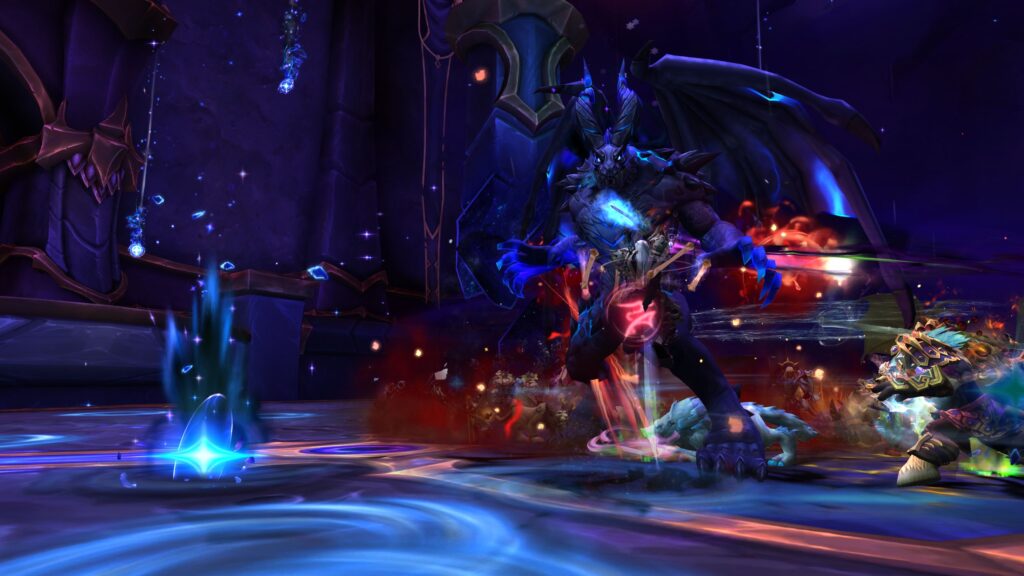
Engagement strategies play a crucial role in effective learning. Look for streamers who have high viewer interactions as they’re more likely to adapt and respond to player questions in real-time. This can give you an edge in understanding complex mechanics. Streamer collaborations also offer diverse perspectives on tackling difficult phases, enriching your strategic arsenal.
Gameplay breakdowns in these videos often reveal minute details that you might miss during live play. They dissect the encounter frame by frame, revealing positioning nuances and timing precision. By studying these, you contribute not only to your personal skill improvement but also to your raid group’s overall performance.
Join Raid Communities
Joining raid communities is crucial for finding active raid groups, sharing strategies, and enhancing your communication skills. These groups allow you to exchange tips with experienced players, leading to faster adaptation to new mechanics. By collaborating with others, you can refine your approach and guarantee your team performs at its best in every encounter.
Find Active Raid Groups
Finding an active raid group can be a game-changer in World of Warcraft, transforming your raiding experience from a frustrating slog into a coordinated and enjoyable adventure. To start, employ effective raid recruitment tips. Create a compelling profile on community forums and relevant Discord servers, highlighting your experience, class, and specialization. This helps to attract attention from serious guilds looking for dedicated players.
Next, focus on guild networking strategies. Your best bet is to engage with established guilds that have a history of consistent raiding. Participate in their events and contribute meaningfully to the guild’s activities. This not only showcases your commitment but also helps you understand the guild’s culture and dynamics.
Pay attention to guild recruitment posts, as these often contain valuable information about raid schedules, expectations, and requirements. Don’t hesitate to message raid leaders directly, expressing your interest and demonstrating your readiness to adapt to new raid mechanics.
Lastly, join in-game communities specifically built around raiding. These platforms can be treasure troves for finding like-minded players and raiding groups that align with your goals, ensuring a more harmonious and successful raid experience.
Share Strategies and Tips
To level up your raiding game, explore the wealth of knowledge available by sharing strategies and tips within raid communities. When you immerse yourself in these communities, you reveal essential insights on gear enhancement, ensuring you’re always battle-ready with the best equipment. Veteran players often share invaluable advice on encounter preparation, giving you a head start on understanding boss mechanics.
Understanding class synergies and raid composition is fundamental. By discussing these aspects with seasoned raiders, you learn the best combinations to maximize your group’s effectiveness. Damage mitigation and positioning strategies come into play, and those who’ve braved raids multiple times can guide you on reducing incoming damage while maintaining optimal positioning.
Cooldown management and utility roles are also hot topics in raid communities. You’ll get tips on the best times to use key abilities and how to maximize your role beyond just dealing damage or healing. Timing execution and an adaptability mindset are often discussed, emphasizing the importance of being able to adjust your tactics on the fly.
Communicate and Collaborate
Actively sharing strategies and tips helps you level up more rapidly, but true mastery in raiding can’t be achieved in isolation. To truly excel, you need to join raid communities where communication and collaboration are key.
Engaging in feedback loops enhances your understanding of mechanics and improves role assignments. By discussing your strengths and weaknesses, you can receive targeted guidance, optimizing both individual and team dynamics. Strategic planning in these settings minimizes downtime and maximizes efficiency, making your raids more effective.
Balancing time management and conflict resolution is essential. Raid communities offer structured schedules, ensuring everyone is on the same page. When disputes arise, seasoned members can mediate, allowing for smoother gameplay. Performance evaluations conducted by peers help identify areas for improvement and recognize efforts, boosting morale and refining your tactics.
Here’s a snapshot to improve your raiding experience:
| Key Focus | Benefits | Community Role |
|---|---|---|
| Feedback Loops | Targeted Skill Improvement | Peer Mentorship |
| Role Assignments | Optimized Team Dynamics | Raid Leaders |
| Time Management | Efficient Raid Scheduling | Community Organizers |
Fostering an environment rich in communication and collaboration makes each raid a cohesive and strategic endeavor. Embracing these practices will transform you from a competent player into a raid master.
Practice in PTR
Jump into the Public Test Environment (PTE) to familiarize yourself with new abilities and refine your strategies. Practicing here lets you understand how your skills interact with raid mechanics and coordinate effectively with your group. It’s an invaluable way to guarantee your team is cohesive and prepared when the raid goes live.
Test New Abilities
Testing new abilities on the Public Test Environment (PTE) is vital for mastering upcoming raid mechanics in World of Warcraft. This practice lets you understand how new abilities interact with each other and fit into your overall strategy. Ability synergy is significant; you want to guarantee that each new skill complements your existing toolkit. For example, combining a new crowd control ability with your current damage-over-time spells can lead to more effective enemy management. Use the PTE to experiment and find the best combinations that maximize your performance.
Timing is everything in raids. Encounter timing refers to the precise moments when you’ll need to use specific abilities to counter bosses’ mechanics. Getting this right can mean the difference between a wipe and a successful run. On the PTE, you can identify the finest moments to deploy your new abilities. Track cooldowns, understand the boss phases, and practice until this timing becomes second nature. The key is not just to know when to use an ability, but to integrate it seamlessly into your rotation. With enough practice, you’ll be ready to face any challenge the live servers throw at you.
Group Coordination Practice
Group coordination practice on the Public Test Environment (PTR) is an important part of preparing for new raid mechanics in World of Warcraft. It allows your team to refine role synergy and improve timing coordination. Here’s how you can maximize your PTR sessions:
- Mechanic Simulations: Practice new raid mechanics to understand their intricacies. Set up scenarios where adaptability drills test your ability to react to unexpected changes.
- Timing Coordination: Get everyone on the same page regarding vital moments in the raid. Perfect timing in skill execution can be the difference between success and failure.
- Leadership Skills: Effective raid leaders should guide situational awareness and strategy execution. Foster a climate where feedback sessions encourage constructive criticism.
- Encounter Reviews: After each PTR run, conduct thorough encounter reviews. Analyze what went well and identify areas for improvement in your practice routines.
By integrating these four practices, you’re setting the stage for a well-coordinated and highly adaptable team. Focus on these aspects:
- Role Synergy: Guarantee each player’s role complements the others.
- Leadership Skills: Promote clear and decisive leadership.
- Strategy Execution: Follow a well-laid-out plan.
- Situational Awareness: Stay vigilant and responsive.
With consistent group coordination practice, your team will be well-prepared for live raids.
Build Flexible Teams
Adapting to the evolving raid mechanics in World of Warcraft demands more than just individual skill; it requires building flexible teams. This involves ensuring role diversity, where each player’s unique strengths contribute to a well-rounded group. Skill adaptability is significant; your team members should be proficient in multiple roles and classes, increasing their class versatility to handle unexpected mechanics.
Team synergy hinges on how well members communicate and coordinate. Integrating flexible compositions allows for dynamic adjustments during encounters, fostering an environment of strategic flexibility. As new mechanics emerge, player resilience is tested. Your team must remain composed, utilizing situational awareness to preemptively counter threats.
Multitasking skills become invaluable in managing overlapping mechanics. This requires swift, seamless integration of tasks without compromising overall performance. Your team should practice rapid response to sudden phase changes or boss abilities, ensuring minimal downtime and maximized effectiveness.
Cultivating these elements isn’t trivial; it’s about fostering an environment where members are encouraged to broaden their horizons and skills. By emphasizing these facets, you create a robust, adaptable team capable of conquering the most challenging new raid mechanics World of Warcraft introduces.
Master Class Roles
While building flexible teams lays the groundwork for successful raids, mastering class roles is where your strategy truly shines. Adopting a master mindset means you’re deeply familiar with role specialization, enhancing every skill at your disposal. To elevate your raid’s synergy, focus on these key aspects:
- Strategic Positioning: Know where your role fits best within the raid. Tanks should always hold aggro and position boss mobs efficiently, while DPS and healers find ideal spots that balance proximity and safety.
- Cooldown Management: Timing is everything. Don’t blow all your cooldowns at once. Instead, stagger them for sustained damage mitigation and burst phases. Using your abilities wisely can make or break the encounter.
- Environmental Awareness: The battlefield constantly shifts. Stay aware of your surroundings to avoid hazards and capitalize on opportunities. Environmental awareness markedly reduces unnecessary deaths and increases survivability.
- Utility Usage: Your class isn’t just about raw damage or healing. Utilize stuns, interrupts, and other utility spells to control the flow of battle. Proper utility usage helps maintain the upper hand in tricky situations.
Invest time in adaptability training to improve situational awareness and execute your role flawlessly. By mastering these techniques, you contribute greatly to the raid’s overall success.
Communicate Effectively
Effective communication is the linchpin of any successful raid, often making the difference between triumph and defeat. Begin by ensuring that everyone on your team understands the importance of effective listening. This isn’t just about hearing the raid leader’s commands but about actively processing the information and preparing to act on it. Encourage your team to keep chatter to a minimum during significant moments to avoid missing essential instructions.
Next, focus on delivering clear instructions. Ambiguity can be a raid’s downfall, especially when dealing with intricate mechanics. When calling out mechanics, be specific. Instead of saying, “Handle the adds,” say, “Tank, move the adds to the northeast corner.” Such precision minimizes confusion and enhances team cohesion.
Utilize voice communication tools like Discord or in-game voice chat for instant interaction. Coordinate cooldowns and abilities transparently, so everyone knows their role during critical phases. Effective listening also extends to feedback. Post-raid discussions can illuminate areas of improvement and special mechanics that were perhaps misunderstood.
Frequently Asked Questions
How Do I Manage Cooldowns During New Raid Mechanics?
To optimize cooldown management during new raid mechanics, make precise timing adjustments. Prioritize learning the encounter timeline, then adjust your cooldowns to align with high-damage phases or critical moments. Use addons to track cooldowns and debuffs, creating a smoother execution. Regularly communicate with your team to synchronize major abilities. Mastering these elements guarantees effective resources use, maximizing your raid contributions and enhancing overall survivability.
What Macros Should I Use for New Raid Encounters?
For macro management in new raid encounters, focus on vital macros first. Situational macros enhance raid efficiency by improving ability coordination. Class-specific macros optimize performance based on your role. Timing adjustments are critical, so use dynamic macros that adapt to various phases. Create one for burst damage and another for quick reactions. Effective macro usage guarantees you’re ready for any challenge in the raid.
Are There Add-Ons Specifically Helpful for Adapting to New Raid Mechanics?
Yes, there are add-ons that can greatly assist you with boss abilities, raid communication, strategy planning, and more. Deadly Boss Mods (DBM) alerts you to critical boss abilities. WeakAuras customizes warnings for your needs. For raid communication and healing assignments, try AddonSkada or healing meters to track damage and healing effectively. Additionally, Exorsus Raid Tools offers versatility for role flexibility and strategic planning, making raid management smoother.
How Can I Handle Unexpected Lag During Raid Fights?
Think of your raid as a symphony, and unexpected lag as a musician playing offbeat. Lag mitigation involves guaranteeing connection stability through ideal settings and monitoring internet speed. Perform network troubleshooting to resolve latency issues. Adjust graphics settings and close unnecessary applications to improve connection quality. Confirm your hardware and software are up to date. These steps can help you maintain harmony, preventing lag from disrupting your epic raid fight.
What Are Some Useful Keybindings for Quick Reactions in New Raids?
Quick reactions in new raids hinge on effective keybindings. Prioritize movement techniques on easy-to-reach keys, and set up ability prioritization sequences that reflect your rotation. Enhance situational awareness with bindings for essential macros. Develop communication strategies by hotkeying chat channels and key roles for rapid calls. Boost role flexibility with bindings that allow switching responsibilities swiftly, improving reaction time and keeping your team’s performance at its best.
Conclusion
Coincidentally, adapting to new raid mechanics in World of Warcraft isn’t just a solo endeavor; it’s a collective journey. By avidly studying patch notes, watching strategy videos, joining raid communities, and practicing in the PTR, you’ll find your knowledge deepens. Building flexible teams and mastering class roles only amplifies your effectiveness. But remember, it’s your communication skills that ultimately mesh all these elements together, transforming you and your raid members into a well-oiled powerhouse, ready for any challenge.
Explore More WoW Raiding Insights on Our Blog!